
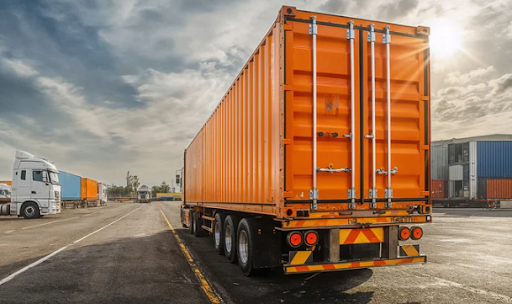
Jackknife Truck Accident Lawyer In Atlanta
Jackknife truck accidents can happen suddenly and leave little time to react. When a truck’s trailer swings out of line with the cab, it can create a dangerous situation for nearby drivers and lead to serious crashes.
If you were involved in a jackknife truck accident in Atlanta, you may be dealing with injuries, vehicle damage, and uncertainty about who is responsible. These cases are often more complex than standard truck accidents and may involve multiple parties and insurance policies.
Our Atlanta jackknife truck accident lawyer can help you understand your rights, review what happened, and guide you through the next steps. At Seay/Felton LLC Trial Lawyers, we work with individuals across Atlanta to handle these claims and move forward with clarity.
What Is a Jackknife Truck Accident?
A jackknife truck accident happens when the trailer of a truck swings out and forms an angle with the cab, often resembling a folding pocket knife.
This usually occurs when the trailer’s tires lose grip on the road or move faster than the cab, causing the truck to fold inward
Why Jackknife Truck Accidents Are So Dangerous
Jackknife truck accidents are dangerous because they can cause a large truck to lose control and block multiple lanes at once, putting several drivers at risk.
These accidents are especially dangerous because:
- The trailer can swing across multiple lanes, hitting several vehicles
- Nearby drivers may not have enough time or space to avoid the crash
- The initial impact can quickly turn into a chain-reaction collision
These factors can lead to serious injuries and widespread damage, especially on busy highways in Atlanta.
Common Causes of Jackknife Truck Accidents in Atlanta
Some of the most common causes include:
- Hard or sudden braking: When a driver brakes suddenly, especially on wet or slippery roads, the trailer can lose traction and swing out of control.
- Speeding: Driving too fast reduces control and increases the chance of losing traction during braking.
- Poor road conditions: Rain, fog, or uneven roads can reduce traction and visibility, making it harder for trucks to stay aligned and increasing the risk of the trailer swinging out.
- Mechanical failures: Brake problems or tire issues can affect how the truck slows down, which may cause the trailer to move out of line during braking.
- Improperly loaded cargo: Unbalanced or unsecured loads can shift during travel, changing the truck’s center of weight and making the trailer more likely to swing out.
- Driver error: Inexperience, distraction, or aggressive driving can increase the risk of a jackknife crash.
Identifying the exact cause of the jackknife is important because it can help determine whether the driver, trucking company, or another party may be responsible.
Where Jackknife Accidents Happen Most in Atlanta
Jackknife accidents are more likely to happen on roads with heavy truck traffic and higher speed limits.
Common high-risk areas include:
- I-75, I-85, and I-285, where heavy truck traffic moves at highway speeds
- Major interchanges and merging areas like the I-75/I-85 Downtown Connector and I-285 interchanges, where heavy merging traffic can force trucks to brake quickly
- Busy freight routes such as Fulton Industrial Boulevard and Moreland Avenue, where commercial truck traffic is common throughout the day
- Areas with construction zones or frequent slowdowns, especially along I-285 and I-20, where lane shifts and sudden stops can increase the risk of a jackknife accident
These locations often involve conditions where trucks must brake quickly or adjust speed, increasing the risk of losing control.
Who Is Liable in a Jackknife Truck Accident in Atlanta?

Liability in a jackknife truck accident can be complex because more than one party may be responsible.
Parties who may be responsible include:
- Truck driver: If the driver was speeding, braking improperly, or driving unsafely
- Trucking company: If the company failed to train drivers or enforce safety rules
- Maintenance providers: If poor maintenance led to brake failure or other mechanical issues
- Cargo loaders: If improperly loaded cargo caused the truck to become unstable
Determining liability often requires reviewing driver logs, maintenance records, and crash evidence.
What Injuries Are Common in Jackknife Truck Accidents?
Jackknife truck accidents can cause serious injuries because of the size of the truck and the force of impact. When a trailer swings across lanes, it can strike multiple vehicles or cause drivers to lose control, leading to more severe crashes.
Common injuries include:
- Traumatic brain injuries: A strong impact can cause the head to strike part of the vehicle, leading to concussions or more serious brain injuries.
- Spinal cord injuries: The force of the crash can affect the spine, which may lead to long-term pain, limited movement, or permanent disability.
- Broken bones: Arms, legs, ribs, and other bones can be fractured due to the impact of the collision.
- Internal injuries: Damage to internal organs may not be visible right away, but can become serious without prompt treatment.
- Severe cuts and burns: Broken glass, debris, or fires from the crash can cause significant injuries to the skin.
These injuries often require ongoing medical care and can affect your ability to work and carry out daily activities.
If you are injured, seek medical care as soon as possible and keep detailed records of your treatment and expenses, as this can help protect your health and support your claim.
What to Do After a Jackknife Truck Accident in Atlanta
Taking the right steps after a jackknife accident can help protect your health and your claim.
- Call 911: Report the accident and request medical help if needed. A police report can help document what happened and may be important for your claim.
- Check for injuries: Make sure everyone is safe and get medical attention right away.
- Document the scene: Take photos of the vehicles, road conditions, skid marks, and damage. This evidence can help show how the jackknife accident happened.
- Gather information: Collect details from the truck driver, including company information if available, and get contact information from any witnesses.
- Avoid discussing fault: Stick to the facts and avoid making statements that could be used later when determining responsibility.
- Seek medical care: Even if you feel okay, get checked by a doctor, as some injuries may not show symptoms right away.
- Speak with an attorney: Talking with an Atlanta jackknife truck accident attorney early can help you understand your rights and avoid mistakes when dealing with insurance companies.
How an Atlanta Jackknife Truck Accident Lawyer Can Help
Jackknife truck accident cases often involve multiple vehicles, serious injuries, and complex evidence. Having the right legal support can make a difference in how your claim is handled.
Here’s how a jackknife truck accident lawyer in Atlanta can help:
- Investigate the accident: A detailed review of crash reports, truck data, and scene evidence helps determine how the jackknife occurred and what factors contributed to the crash.
- Determine liability: Identifying all responsible parties, including the driver, trucking company, or maintenance providers, is an important part of building your case.
- Handle insurance companies: Communication with insurance adjusters is managed carefully to help protect your claim and reduce the risk of low settlement offers.
- Calculate your damages: A full evaluation of your medical expenses, lost income, and long-term impact helps determine the value of your claim.
- Negotiate or go to court: Efforts are made to reach a fair settlement, but your case can be taken to court if a reasonable outcome is not offered.
- Guide you through the process: You stay informed at every stage, with clear explanations of what to expect and how your case is progressing.
What Compensation Can You Recover After a Jackknife Truck Accident?
If you were injured in a jackknife accident, you may be able to recover compensation for:
- Medical expenses
- Future medical care
- Lost wages
- Reduced earning ability
- Pain and suffering
- Emotional distress
- Property damage
The value of your claim depends on your injuries and how the accident has affected your life.
Why Choose Seay/Felton LLC Trial Lawyers
At Seay/Felton LLC Trial Lawyers, we focus on helping clients understand their rights and take the next steps with confidence.
Here’s what you can expect:
- A clear and organized approach to your case: Your situation is reviewed in detail to build a plan based on how the accident happened and how it has affected you.
- Consistent communication: You are kept informed about your case and what to expect as it moves forward.
- A practical strategy based on your situation: Your case is handled with a focus on your recovery and long-term needs.
- Over 50 years of combined experience: Our team has handled complex truck accident cases across Georgia.
Our goal is to help you move forward with clarity and support after a serious truck accident.
Speak to an Atlanta Jackknife Truck Accident Lawyer Today
A jackknife truck accident can leave you dealing with serious injuries and a complicated legal process.
You do not have to handle this alone. At Seay/Felton LLC Trial Lawyers, we help you understand your options and take the next steps with confidence.
Contact our team today to schedule a consultation and discuss your case.
FAQs About Jackknife Truck Accidents in Atlanta
In Georgia, you generally have two years from the date of the accident to file a personal injury claim. Acting early can help preserve important evidence, such as truck data and driver records, which may be needed to support your case.
Truck accident claims may involve multiple insurance policies, including the truck driver’s and the trucking company’s coverage. The amount of coverage and who pays depends on how the accident happened and who is found responsible.
If brake failure contributed to the accident, the trucking company or maintenance provider may be responsible. Investigating maintenance records can help determine if the truck was properly inspected and serviced before the crash.
Investigators review evidence such as skid marks, truck data, driver logs, and road conditions. This information helps determine whether factors like braking, speed, or mechanical issues contributed to the accident.
Truck data and driver logs are often the most important evidence in a jackknife truck accident case. They can show the truck’s speed, braking, and driver activity before the crash, which may help explain how the jackknife happened.
You may still be able to recover compensation if you are less than 50% at fault. Your total recovery would be reduced based on your share of responsibility under Georgia law.
Most jackknife truck accident claims take several months or longer to resolve. The timeline depends on the complexity of the case, the number of parties involved, and whether liability is disputed.
Yes. A jackknife accident can still happen even if the driver follows safety rules, especially in poor road or weather conditions that reduce traction and affect braking.
If your vehicle is totaled, document the damage and contact your insurance company to start the claims process. You may be able to recover the value of your vehicle and other related costs, depending on the details of the accident.
Acting quickly helps preserve important evidence, such as truck data and witness statements. Waiting too long can make it harder to prove what caused the accident and may affect your ability to recover compensation.
Schedule a Free consultation
Contact Seay/Felton
"*" indicates required fields