
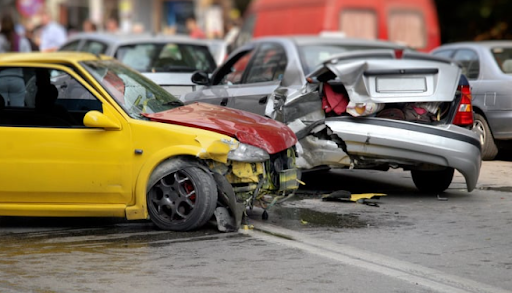
A multi-vehicle car accident can quickly turn into a confusing and stressful situation. These crashes often involve three or more vehicles, making it harder to figure out what happened and who is responsible.
If you were involved in a chain-reaction crash or pileup in Atlanta, you may be dealing with injuries, car damage, and multiple insurance companies. A knowledgeable Atlanta multi-vehicle car accident lawyer can help you understand your rights and take the next steps.
At Seay/Felton LLC Trial Lawyers, we help individuals across Atlanta handle complex car accident claims and move forward with confidence.
What Is a Multi-Vehicle Car Accident?
A multi-vehicle accident, also called a chain-reaction crash or pileup, happens when three or more vehicles are involved in the same collision.
These accidents often happen when one crash triggers a chain reaction or when drivers cannot stop in time. They are common on highways like I-75, I-85, and I-285, as well as busy Atlanta roads during rush hour.
Because several vehicles are involved, these cases are often more complex than a typical two-car accident.
Where Multi-Vehicle Accidents Happen Most in Atlanta
Multi-vehicle accidents often happen in areas with heavy traffic and sudden stops.
Common high-risk areas include:
- I-75, I-85, and I-285, especially during rush hour
- Downtown Atlanta, where traffic congestion is common
- Busy corridors like Peachtree Street and Buford Highway
- Areas with construction zones or lane closures
These conditions can make it harder for drivers to stop in time, increasing the chance of a chain-reaction crash.
Common Causes of Multi-Vehicle Accidents in Atlanta
Multi-vehicle crashes often happen when one mistake triggers a chain reaction, causing several vehicles to collide in a short amount of time. Understanding how these accidents start is important when determining fault.
Some of the most common causes include:
- Rear-end collisions: When one driver fails to stop in time, they may hit the vehicle in front of them, pushing it into another car and creating a chain reaction.
- Distracted driving: Drivers who are not paying attention may not notice traffic slowing down, leading to delayed braking and multiple vehicles crashing into each other.
- Speeding: Driving too fast reduces the time and distance needed to stop, making it more likely that a driver will hit several vehicles in a line of traffic.
- Poor weather conditions: Rain, fog, or wet roads can reduce visibility and traction, causing drivers to lose control and slide into multiple vehicles.
- Sudden traffic slowdowns: Heavy traffic on Atlanta highways can stop quickly, and drivers who are not prepared may crash into several cars ahead of them.
- Tailgating: Following too closely leaves little room to react, so one sudden stop can lead to multiple vehicles colliding in sequence.
An Atlanta multi-vehicle accident lawyer can review your case, identify how the chain reaction started, and help determine who may be responsible.
Why Multi-Vehicle Accidents Are More Complex
Multi-vehicle accidents are more complex than typical car accidents because they involve multiple impacts and a sequence of events that can be difficult to untangle.
Some of the challenges include:
- Multiple parties involved: More drivers mean more claims, which makes it harder to determine who is responsible.
- Conflicting statements: Drivers may give different accounts of how the crash started, making it difficult to piece together what happened.
- Chain-reaction impacts: When several collisions happen in sequence, it can be unclear which impact caused specific injuries or damage.
- Insurance complications: Multiple insurance companies may be involved, which can slow down the claims process and lead to disputes.
These factors make it more difficult to determine fault and often require a more detailed investigation.
Who Is at Fault in a Multi-Vehicle Car Accident?
Fault in a multi-vehicle accident is often harder to determine because several drivers may be involved, and multiple impacts can happen quickly. Liability usually depends on what caused the initial crash and how the chain reaction unfolded.
In these situations:
- The driver who caused the first collision may be responsible for starting the chain reaction
- Other drivers may share fault if they were speeding, distracted, or following too closely
- Responsibility may be divided among multiple parties based on their actions leading up to the crash
Georgia’s Comparative Fault Rule
Because fault can be shared between multiple drivers, Georgia uses a modified comparative fault rule. This means you can still recover compensation if you are less than 50% at fault. The amount you receive is reduced based on your share of fault, meaning your percentage of responsibility is taken out of the total value of your claim.
This percentage is first evaluated by insurance companies when reviewing the claim. If there is a disagreement or the case goes to court, a judge or jury will make the final decision on each party’s level of fault.
For example, if your total damages are $75,000 and you are found to be 25% at fault, your compensation would be reduced by $18,750, meaning you would receive $56,250.
What Evidence Is Used to Prove Fault
To determine who is responsible, investigators may rely on evidence such as:
- Traffic camera footage
- Vehicle damage patterns and points of impact
- Witness statements
- Police reports
Because multiple drivers and impacts are involved, these cases often require a detailed review of how the crash unfolded from start to finish.
Common Injuries After a Multi-Vehicle Accident in Atlanta

Multi-vehicle accidents often involve more than one instance of impact, which can increase the risk of serious injuries. A driver may be hit from behind, pushed into another vehicle, or struck multiple times in a chain reaction.
Common injuries include:
- Whiplash and neck injuries
- Back and spinal injuries
- Head injuries and concussions
- Broken bones
- Internal injuries
If you are injured, seek medical care as soon as possible and keep detailed records of your visits, treatment, and expenses, as this can help protect your health and support your claim.
What to Do After a Multi-Vehicle Accident in Atlanta
Taking the right steps after a multi-vehicle accident can help protect your health and your claim.
- Call the police: Report the accident and ensure an official report is created.
- Check for injuries: Make sure everyone is safe and call for medical help if needed.
- Document the scene: Take photos of all vehicles, damage, and road conditions.
- Exchange information: Collect contact and insurance details from all drivers involved.
- Avoid discussing fault: Stick to the facts and avoid making statements that could be misunderstood, as what you say may be used later when determining responsibility.
- Seek medical care: Even if you feel okay, get checked by a doctor, as some injuries may not show symptoms right away and could become more serious over time.
- Speak with a lawyer: Consider talking with an Atlanta multi-vehicle car accident lawyer early to avoid mistakes when handling your claim.
Compensation You May Be Able to Recover in a Multi-Vehicle Crash
If you were injured in a multi-vehicle accident, you may be able to recover compensation for:
- Medical expenses
- Future medical care
- Lost wages
- Reduced earning ability
- Pain and suffering
- Emotional distress
- Property damage
Each case is different, and the amount will depend on your injuries and losses.
How an Atlanta Multi-Vehicle Car Accident Lawyer Can Help
Handling a multi-vehicle accident claim can be overwhelming, especially when multiple parties are involved.
Here’s how an Atlanta multi-vehicle crash lawyer can help:
- Investigate the accident: We review reports, photos, and evidence to understand how the crash happened.
- Determine liability: We identify which parties may be responsible for your injuries.
- Handle insurance companies: We communicate with insurers and help protect your claim.
- Calculate your damages: We assess your expenses, lost income, and the overall impact of the accident on your life.
- Negotiate or go to court: We work toward a fair outcome and are prepared to take your case to court if needed.
- Guide you through the process: We help you understand each step and keep your case moving forward.
How Long Do You Have to File a Claim in Georgia?
In Georgia, you generally have two years from the date of the accident to file a personal injury claim. This is known as the statute of limitations. If you miss this deadline, you may lose your right to recover compensation.
Acting early can help preserve key evidence, such as vehicle damage, witness statements, and crash reports, which may be important in proving your claim.
Why Choose Seay/Felton LLC Trial Lawyers
At Seay/Felton LLC Trial Lawyers, we focus on helping clients understand their options and move forward with confidence.
Here’s what you can expect:
- A clear and organized approach to your case
- Consistent communication
- No upfront costs, you only pay if we recover compensation
- Over 50 years of combined experience
- A practical strategy based on your situation
We understand how stressful these accidents can be and are here to help.
Talk to an Atlanta Multi-Vehicle Car Accident Lawyer Today
A multi-vehicle accident can leave you dealing with multiple claims, injuries, and uncertainty about what comes next. You do not have to handle this alone. At Seay/Felton LLC Trial Lawyers, we are here to help you understand your options and take the next steps.
Contact our team today to schedule a consultation and discuss your case.
FAQs About Multi-Vehicle Car Accidents in Atlanta
Yes, multi-vehicle accidents can happen at low speeds when traffic stops suddenly, causing several vehicles to collide in sequence.
Multi-vehicle accidents are common on Atlanta highways because heavy traffic and sudden stops leave drivers with little time to react, leading to chain-reaction crashes.
Insurance companies review evidence, driver statements, and damage patterns to determine fault. They may assign partial responsibility to multiple drivers and coordinate between different insurers, which can lead to disputes and delays in resolving the claim.
Yes, you can still file a claim even if multiple vehicles were involved. Your claim may involve one or more drivers, depending on fault, and you may still be able to recover compensation based on your level of responsibility.
Witnesses can help explain how the accident started and what happened during the chain reaction. Their statements may provide important details that support your claim, especially when drivers involved in the crash have different versions of events.
Yes, multi-vehicle accidents often involve multiple insurance policies because several drivers are involved. Each policy may cover part of the damages, which can make the claims process more complex and require careful coordination.
If you were hit multiple times, it may be harder to determine which impact caused your injuries. Investigators will review evidence to understand how the crash unfolded and assign responsibility based on each driver’s actions.
Yes, these cases often take longer to resolve because they involve multiple drivers, claims, and insurance companies. Determining fault and reviewing evidence can take time, especially when there are disputes about how the accident happened.
Yes, road design and traffic patterns can play a role. Areas with sudden stops, merging lanes, or heavy congestion can increase the risk of chain-reaction crashes, especially when drivers do not have enough time or space to react.
After a multi-vehicle accident, avoid admitting fault or making assumptions about what happened. It is important to stick to the facts and focus on gathering information, as your statements could be used later when determining responsibility.
Schedule a Free consultation
Contact Seay/Felton
"*" indicates required fields