
Underride Truck Accident Lawyer In Atlanta
Underride truck accidents can leave drivers and passengers with serious injuries and little time to react. These crashes often involve large commercial trucks and can quickly become more complicated than a standard car accident.
If you or a loved one was injured in an underride accident in Atlanta, you may be dealing with medical bills, lost income, and uncertainty about what comes next. An Atlanta truck accident lawyer can help you understand your rights and take the next steps.
At Seay/Felton LLC Trial Lawyers, we work with individuals across Atlanta to handle complex truck accident cases and move forward with clarity.
What Is an Underride Truck Accident?
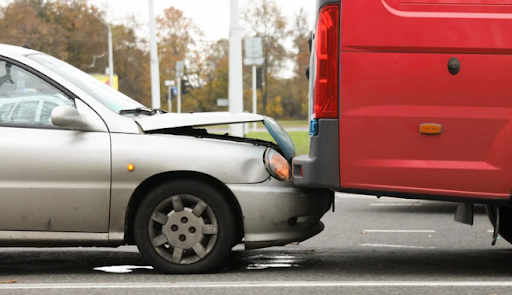
An underride truck accident happens when a smaller vehicle collides with a large truck and becomes trapped underneath it. This can occur at the rear or along the side of the truck.
These accidents are possible because of how commercial trucks are built. Large trucks are elevated off the ground, which creates a gap between the bottom of the trailer and the road. During a collision, a smaller vehicle can slide into this space instead of absorbing the impact at the front.
Why Underride Truck Accidents Are So Dangerous
Underride truck accidents can cause more severe injuries than other types of truck crashes because of how the vehicles collide and where the impact occurs.
These accidents are especially dangerous because:
- The smaller vehicle can slide underneath the truck, which can crush the passenger compartment and increase the risk of serious injury.
- The impact occurs higher than where a car is designed to absorb force, which can reduce the effectiveness of airbags and crumple zones.
- The force of the crash, combined with limited space to react, can lead to serious and life-threatening injuries.
Common Causes of Underride Truck Accidents in Atlanta
Underride accidents can happen for several reasons. Many of these crashes involve conditions that make it harder to judge distance, speed, or stopping time.
Some of the most common causes include:
- Sudden stops by trucks: When a truck slows down or stops quickly, drivers behind may not have enough time or distance to brake, increasing the risk of sliding underneath the trailer.
- Lack of underride guards: Missing, damaged, or poorly designed guards can allow a smaller vehicle to travel underneath the truck instead of stopping at the point of impact.
- Poor visibility: Low lighting, bad weather, or limited visibility can make it difficult for drivers to see the back or side of a truck in time to react.
- Improper lighting or markings: If a truck does not have proper lights, reflectors, or visible markings, it can be harder for other drivers to judge its position or distance.
- Driver distraction: A distracted driver may not notice a truck slowing down or turning, which can delay braking and increase the risk of an underride crash.
- Road conditions: Wet or uneven roads can increase stopping distance and reduce control, making it harder to avoid sliding into a truck.
Identifying what led to the accident can help determine whether the driver, trucking company, or another party may be responsible.
Where Underride Accidents Happen Most in Atlanta
Underride accidents are more likely in areas where drivers must judge distance quickly or where trucks are less visible.
High-risk areas include:
- I-75, I-85, and I-285, especially near the Downtown Connector and major interchanges, where heavy traffic and sudden slowdowns are common
- Major intersections where trucks turn or cross traffic, such as along Peachtree Street and Moreland Avenue
- Industrial areas and freight routes like Fulton Industrial Boulevard, where large trucks are on the road throughout the day
- Roads with low lighting or limited visibility, especially at night or during bad weather
These locations can make it harder to judge a truck’s distance or position, increasing the risk of an underride collision.
Who Is Liable in an Underride Truck Accident?
Liability in an underride accident can be complex because multiple parties may be involved.
Parties who may be responsible include:
- Truck driver: If the driver was speeding, failed to signal, or did not maintain a safe distance, their actions may have contributed to the underride collision.
- Trucking company: If the company failed to maintain safety equipment, enforce safety rules, or properly train drivers, it may be responsible for the accident.
- Vehicle manufacturers: If safety equipment, such as underride guards, was missing, defective, or failed to perform as intended, the manufacturer may be held accountable.
- Maintenance providers: If the truck was not properly inspected or repaired, and a mechanical issue contributed to the crash, the maintenance provider may share responsibility.
Determining liability often requires reviewing evidence, including maintenance records and safety equipment.
What to Do After an Underride Truck Accident in Atlanta
Taking the right steps after an underride accident can help protect your health and your claim. These accidents can be severe, so acting quickly is important.
- Call 911: Report the accident and request medical help if needed. A police report can help document what happened and may be important for your claim.
- Check for injuries: Make sure everyone is safe and get medical attention right away.
- Document the scene: Take photos of the vehicles, road conditions, damage, and the position of the truck. This can help show how the underride accident occurred.
- Gather information: Collect details from the truck driver, including company information, and get contact information from any witnesses.
- Avoid discussing fault: Stick to the facts and avoid making statements that could be used later when determining responsibility.
- Seek medical care: Even if you feel okay, get checked by a doctor, as some injuries may not show symptoms right away.
- Speak with a lawyer: Talking with an Atlanta underride truck accident lawyer early can help you understand your rights, handle insurance issues, and avoid mistakes that could affect your claim.
Common Injuries in Underride Truck Accidents in Atlanta

Underride truck accidents can cause serious injuries because the impact often occurs at the level of the passenger compartment, where there is less protection during a crash.
Common injuries include:
- Traumatic brain injuries: A strong impact can cause the head to strike parts of the vehicle, leading to concussions or more serious brain injuries.
- Spinal cord injuries: The force of the collision can affect the spine, which may result in long-term pain, limited movement, or permanent disability.
- Broken bones: Arms, legs, ribs, and other bones can be fractured due to the force of the crash.
- Internal injuries: Damage to organs may not be immediately visible but can become serious without prompt medical attention.
- Severe cuts and lacerations: Broken glass and debris can cause deep cuts and other injuries to the skin.
These injuries often require ongoing treatment and may affect your ability to work and carry out daily activities.
If you are injured, seek medical care as soon as possible and keep detailed records of your treatment and expenses, as this can help protect your health and support your claim.
What Compensation Can You Recover After an Underride Accident?
If you were injured in an underride accident, you may be able to recover compensation for both your financial losses and how the accident has affected your daily life.
This may include:
- Medical expenses: Costs for emergency care, hospital stays, treatment, medication, and follow-up visits.
- Future medical care: Ongoing treatment, rehabilitation, or long-term care related to your injuries.
- Lost wages: Income lost while you are unable to work during your recovery.
- Reduced earning ability: If your injuries affect your ability to return to work or earn the same income as before.
- Pain and suffering: Compensation for the physical pain and discomfort caused by the accident.
- Emotional distress: The mental impact of the crash, including stress, anxiety, or changes to your daily life.
- Property damage: The cost to repair or replace your vehicle and other damaged property.
The value of your claim depends on the severity of your injuries and how the accident has affected your life over time.
How an Atlanta Underride Truck Accident Attorney Can Help
Underride accident cases often involve multiple parties, detailed evidence, and complex insurance issues. Having the right legal support can make a difference in how your claim is handled.
Here’s how an Atlanta underride truck accident attorney can help:
- Handle insurance companies: Communication with insurance adjusters is managed to help protect your claim and avoid low settlement offers.
- Calculate your damages: A full evaluation of your medical costs, lost income, and long-term impact helps determine the value of your case.
- Investigate the accident: A detailed review of crash reports, truck data, and scene evidence helps determine how the underride occurred and what factors contributed.
- Guide you through the process: You stay informed at every stage, with clear explanations of what to expect and how your case is progressing.
- Negotiate or go to court: Efforts are made to reach a fair settlement, but your case can be taken to court if needed.
- Identify responsible parties: Responsibility may involve the driver, trucking company, or others, and each role is carefully evaluated.
Why Choose Seay/Felton LLC Trial Lawyers
At Seay/Felton LLC Trial Lawyers, we focus on helping clients understand their rights and take the next steps with confidence.
Here’s what you can expect:
- A clear and organized approach to your case: Your situation is reviewed in detail to build a plan based on how the accident happened and how it has affected you.
- Consistent communication: You are kept informed about your case and what to expect as it moves forward.
- A practical strategy based on your situation: Your case is handled with a focus on your recovery and long-term needs.
- Over 50 years of combined experience: Our team has handled complex truck accident cases across Georgia.
Our goal is to help you move forward with clarity and support after a serious truck accident.
Talk to an Atlanta Underride Truck Accident Lawyer Today
An underride truck accident can leave you dealing with serious injuries, financial stress, and a complicated claims process. These cases often involve more than one party and require careful handling.
You do not have to go through this alone. At Seay/Felton LLC Trial Lawyers, we help you understand your rights, handle the details of your claim, and take the next steps with confidence.
Contact our team today to schedule a consultation and discuss your case.
FAQs About Underride Truck Accidents in Atlanta
In Georgia, you generally have two years from the date of the accident to file a personal injury claim. Acting early can help preserve important evidence, such as truck data and maintenance records, which may be needed to support your case.
Yes, underride accidents can happen during lane changes if a driver misjudges the position of a truck or if the truck moves unexpectedly. Limited visibility and blind spots can increase the risk of this type of collision.
Yes, underride accidents can happen at low speeds, especially in stop-and-go traffic or when a truck stops suddenly. Even at lower speeds, the impact can still be serious due to the height difference between vehicles.
Underride guards are designed to prevent smaller vehicles from sliding underneath a truck. If these guards are missing, damaged, or fail to work properly, they can increase the risk of an underride accident and may affect who is responsible.
Investigators review evidence such as crash reports, vehicle damage, truck data, road conditions, and witness statements. This helps determine whether factors like braking, visibility, or equipment failure contributed to the accident.
Underride accidents are more likely at night because reduced visibility makes it harder for drivers to see the rear or side of a truck in time to react, especially if lighting or reflective markings are limited.
Documenting the scene helps preserve important evidence, such as vehicle positions and damage. This information can be used to show how the accident happened and support your claim later.
You may still be able to recover compensation if you are less than 50% at fault. Your total recovery will be reduced based on your share of responsibility, which can affect how much you receive under Georgia law.
Acting quickly helps preserve evidence such as truck data, witness statements, and crash reports. Waiting too long can make it harder to prove what caused the accident and may affect your ability to recover compensation.
Most underride accident claims take several months or longer to resolve. The timeline depends on factors like the severity of injuries, the number of parties involved, and whether liability is disputed or requires further investigation.
Schedule a Free consultation
Contact Seay/Felton
"*" indicates required fields