
How to Determine Salvage Value If You Want to Keep Your Totaled Vehicle After a Car Crash?
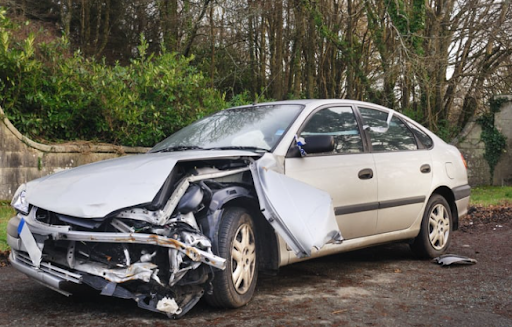
Being involved in a serious car accident is already stressful, but it can get even more complicated when your insurance company declares your vehicle is totaled or total loss, meaning the cost to repair it is more than its actual cash value. While many people accept a settlement and give up the car, others want to keep it. Maybe the damage is mostly cosmetic, the car still runs, or you just aren’t ready to let it go. In those situations, the key term you need to understand is salvage value.
Salvage value directly affects how much money you’ll receive in your settlement, and it determines the cost of keeping your damaged vehicle. Whether you’re trying to rebuild your car, save money, or avoid dealing with a salvage yard, learning how to calculate salvage value can help you make the right financial decision after a crash. This article explains how salvage value works, how it’s calculated, and what to expect if you decide to keep your totaled car.
What Is Salvage Value?
Before deciding whether to keep your damaged vehicle, it’s important to understand what salvage value actually means. Salvage value is the estimated worth of your damaged car in its current condition, typically based on what a salvage yard, buyer, or auction could pay for it. This value directly affects how much money you receive from your insurer if you want to keep the vehicle after it’s been declared a total loss.
Insurance companies deduct this salvage value from your total settlement because you’re keeping the vehicle instead of allowing them to sell it for scrap or parts.
Example of Salvage Value in Action
Let’s say:
- Your car's actual cash value (ACV) before the accident was $12,000
- The insurance company determines that the salvage value is $2,500
If you choose to keep the car, your settlement payout would be:
$12,000 (ACV) – $2,500 (salvage value) = $9,500
You’d receive $9,500 in cash from the insurer and keep the damaged vehicle, which now has a salvage title.
Why Does Salvage Value Matter?
Understanding salvage value is key when deciding whether to keep or give up your totaled vehicle because:
- It affects how much money you’ll get from the insurance company if your car is declared a total loss.
- If you plan to keep and repair the vehicle, the salvage value deduction means you’ll receive less cash up front.
- It can affect your future resale value because a car that was totaled or has a salvage title may fetch far less.
- It helps you make an informed decision whether to keep the vehicle or let the insurer take it.
How Total Loss Is Decided in Georgia
Before calculating salvage value, it helps to know when a car is a total loss. In Georgia, one common rule is that if the cost of repairs exceeds 75% of the vehicle’s actual cash value (ACV) right before the accident, the car is considered a total loss. Each insurer and state may use slightly different thresholds, but this gives you a general idea.
Steps on How to Calculate Salvage Value
Here’s a process you can follow to estimate salvage value:
1. Determine Your Vehicle’s Pre‑Accident Value (ACV).
- Use tools like Kelley Blue Book, NADA, or local dealer listings.
- Look at the make, model, year, mileage, and condition before the accident.
2. Estimate the Vehicle’s Salvage Worth.
- Insurance companies may look at what similar totaled vehicles sell for at auction, what parts are worth, and what the insurer could recover.
- A rule of thumb is that the salvage value might be 25 to 50% of ACV after the accident for many vehicles.
3. Subtract the Salvage Value from the Pre‑Accident Value.
- For example: ACV = $12,000
- Salvage value estimate = $3,000
- Your payout before deductible = $12,000 − $3,000 = $9,000
4. Account for Your Deductible or Any Other Deductions.
- If you had collision coverage and a deductible, it would further reduce your check.
- If you owe a loan on the vehicle, you may need to pay that too.
5. Decide Whether You Want to Keep or Release the Vehicle.
- If you keep it, you’ll need a salvage or branded title in many states.
- If you release it, the insurer usually pays full ACV and keeps the vehicle.
Key Considerations if You Keep the Totaled Vehicle
If you decide to keep your totaled car, there are several legal, financial, and practical issues you’ll need to think through carefully. Think over:
- Branded or Salvage Title: Your state may require you to apply for a salvage title. That means if you try to sell the vehicle later, it’s sold as a “salvage” vehicle, which carries less value.
- Repair Costs vs. Value: Even if you repair the vehicle, the resale value may still drop significantly. A car with a salvage title might sell for 20 to 40% less than a similar car without that title.
- Inspection and Legal Requirements: Some states require you to pass a safety inspection or notify the DMV if the vehicle is rebuilt.
- Risk: If you keep the vehicle and intend to drive it, you’re taking on repair costs, potential safety issues, and reduced market value. Make sure you’re comfortable with that.
Common Pitfalls to Avoid
Before deciding to keep your totaled vehicle, be aware of common mistakes that could cost you time, money, or legal trouble. These include:
- Accepting the first offer from the insurance company without checking the ACV or salvage value calculation.
- Ignoring aftermarket upgrades or the condition of the car before the crash. These can add to ACV and improve your payout.
- Failing to understand how keeping the vehicle will affect your payout and future resale.
- Not getting the damaged vehicle inspected by a specialist before deciding.
- Forgetting that if you keep the vehicle, you may assume responsibility for salvage title requirements, future safety problems, or reduced resale value.
What You Can Do to Improve Your Salvage Deal
If you’re hoping to negotiate a better outcome or simply want to protect your financial interests, consider these practical strategies to improve your leverage during a salvage value discussion:
- Get Multiple Repair Estimates: Don’t rely on a single body shop. Obtain 2 to 3 written quotes to give you better insight into the true cost of repairs and compare against what the insurer says.
- Request a Third-Party Appraisal: If you disagree with the insurance company’s valuation of your vehicle, hire an independent appraiser to assess both the fair market value and salvage value.
- Know Your Car’s Actual Cash Value (ACV): Research the pre-accident value of your vehicle using trusted sources like Kelley Blue Book or Edmunds. This number is key in verifying if your car is truly a total loss.
- Understand Your State’s Total Loss Threshold: Georgia, for instance, uses a Total Loss Formula (TLF), which considers whether the cost of repairs plus salvage value exceeds the car’s pre-accident value.
- Negotiate Salvage Value Separately: Just because your car was totaled doesn’t mean the first salvage value the insurer offers is final. You can often negotiate for a lower buyback price.
- Document Vehicle Condition Thoroughly: Provide clear photos, receipts of recent repairs, and proof of upgrades or features to support a higher valuation for your car pre-accident.
Why Hiring a Qualified Lawyer Makes a Difference
If you’re dealing with a totaled vehicle claim and considering keeping the car, legal help can pay off:
- A car accident lawyer can challenge unfair salvage value deductions, ensuring you get full pre‑accident value minus a fair salvage figure.
- They can review state laws about salvage titles and help you comply with requirements.
- They can negotiate with insurers on your behalf and ensure your rights are protected.
- If there are complicating factors like leased vehicles, loans, partial fault, or a dispute about ACV. Legal guidance is especially valuable.
Why Choose Seay/Felton LLC Trial Lawyers?
Navigating post-accident disputes over salvage value and vehicle ownership can be overwhelming. Seay/Felton LLC Trial Lawyers bring legal clarity and protection to the table when you need it most.
- Extensive Experience: Our attorneys have years of experience handling total loss and property damage claims across Georgia.
- Insurance Negotiation Power: We know how to push back against undervalued offers and complicated insurer tactics.
- Clear Legal Guidance: We explain your rights and options in plain terms, so you can make informed decisions about your totaled vehicle.
- Full-Service Representation: From property disputes to personal injury claims, our team covers every aspect of the accident aftermath.
Making the Right Call After a Crash
Understanding salvage value is key when deciding whether to keep your totaled vehicle after a crash. Knowing how insurers calculate salvage value, how to negotiate, and what responsibilities come with keeping a totaled car can save you from unexpected costs or legal hurdles. It’s not always the right move. However, with the right information, it could be a smart financial decision.
Need help figuring out your legal rights or next steps after a total loss accident? Contact Seay/Felton LLC Trial Lawyers. We’ll help you protect your interests, deal with insurance companies, and make informed decisions about your vehicle and your claim.