
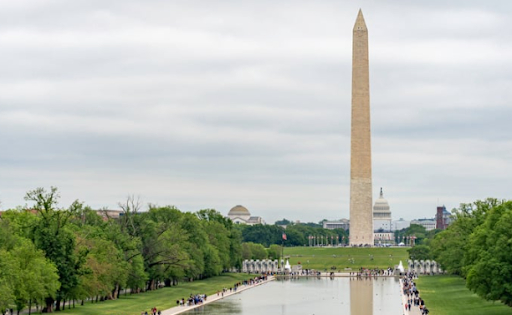
Washington, D.C., known as the capital city and federal district of the United States with a diverse neighborhoods. However, like any major metropolitan area, safety is a top concern for residents and newcomers alike. If you’ve been asking, “What are the safest neighborhoods in Washington, D.C.?” or searching for the best places to live in Washington, D.C., you’re in the right place.
Whether you’re relocating, investing in property, or simply exploring your options, this guide breaks down the top 7 safest neighborhoods in Washington, D.C., based on recent data, livability, and community appeal.
What Are the Safest Neighborhoods in Washington, D.C.?
While Washington, D.C. does have pockets of high crime, many neighborhoods are known for their low crime rates, family-friendly environments, and access to parks, schools, and amenities. Here are the safest neighborhoods in Washington, D.C.
1. Spring Valley
Spring Valley is one of the most affluent neighborhoods in Washington, D.C., featuring spacious homes and quiet streets. Crime is exceptionally low due to its wealth, low population density, and active community presence. With minimal through-traffic, private patrols, and long-term homeowners, this neighborhood is ideal for families and retirees seeking peace of mind.
2. Woodland Normanstone
One of the most luxurious neighborhoods you can find and tucked near Rock Creek Park, Woodland Normanstone is a quiet residential area. It experiences virtually no violent crime thanks to limited public access, enhanced diplomatic security, and low traffic. Its exclusivity and protection make it a perfect choice for professionals and long-time residents looking for a discreet and highly secure area. Fun fact: Mark Zuckerberg purchased a $23 million mansion in this neighborhood.
3. Hawthorne
Hawthorne is one of the most secure neighborhoods in the city, thanks to its suburban layout, wide streets, and residential zoning. There’s little to no commercial development, which keeps noise and foot traffic low. With some of the lowest crime statistics in D.C., this neighborhood is perfect for families, professionals, and retirees who value privacy and tranquility.
4. Palisades
The Palisades has a strong civic association and a well-connected community that actively works together to maintain safety. Its low crime rate, scenic surroundings, and community events foster a welcoming atmosphere. Ideal for nature lovers, young families, and homeowners, the area offers both a suburban feel and access to city life with minimal risk.
5. Glover Park
Glover Park blends affordability, walkability, and security, making it one of D.C.’s most balanced neighborhoods. With lower-than-average crime rates and a mix of professionals and families, the neighborhood benefits from strong infrastructure, lighting, and community involvement. It’s a solid choice for students, young couples, and first-time homebuyers looking for a safe urban lifestyle.
6. Tenleytown / American University Park
This neighborhood is known for its well-lit streets, steady police presence, and university-supported safety measures like surveillance and patrols. The constant movement of students, professors, and local residents creates a lively but low-crime environment. It’s especially well-suited for students, educators, and young professionals who value safety and convenience.
7. Dupont Circle
Although Dupont Circle is one of D.C.’s busiest neighborhoods, it consistently ranks as one of the safest in the downtown area. Its high visibility, round-the-clock pedestrian traffic, and consistent police patrols keep crime low. Ideal for professionals, creatives, and city dwellers, Dupont offers a secure urban lifestyle without sacrificing energy or culture.
Honorable Mentions
While the following neighborhoods didn’t make our top seven, they offer exceptional safety, strong community appeal, and deserve serious consideration for anyone relocating to the D.C. area.
Barnaby Woods
Tucked into the northwest corner of D.C. near Rock Creek Park, Barnaby Woods is a quiet, residential neighborhood known for its lush green spaces and well-kept homes. This area boasts some of the lowest crime rates in the city and offers a peaceful, suburban feel while remaining inside city limits. With a tight-knit community, minimal traffic, and an abundance of single-family homes, Barnaby Woods is ideal for families who want a safe, serene environment with easy access to nature and nearby amenities.
Chevy Chase, D.C.
Often confused with its Maryland counterpart, Chevy Chase, D.C., is a historic, upper northwest neighborhood that combines quiet, tree-lined streets with walkable shopping and dining options. This area stands out for its strong school system, civic engagement, and extremely low crime statistics. Families and retirees are especially drawn to the area for its community-oriented atmosphere and abundant recreational spaces, including Lafayette Park and playgrounds. Despite its suburban feel, Chevy Chase, D.C., has excellent public transit access, making it easy to commute downtown while enjoying a calmer residential lifestyle.
Observatory Circle
Home to the Vice President’s residence and several embassies, Observatory Circle is one of the most secure neighborhoods in Washington, D.C. While it may not be as well-known as nearby Glover Park or Cathedral Heights, its location near Massachusetts Avenue places it within what’s commonly known as Embassy Row, a corridor with a high concentration of diplomatic missions and federal security presence. The combination of well-patrolled streets, elegant homes, and low crime rates makes this neighborhood appealing for professionals, diplomats, and families seeking a private, protected place to call home. The nearby Naval Observatory grounds and wooded areas offer scenic walking routes and an added sense of tranquility.
What Makes These Neighborhoods the Safest?
Community Engagement
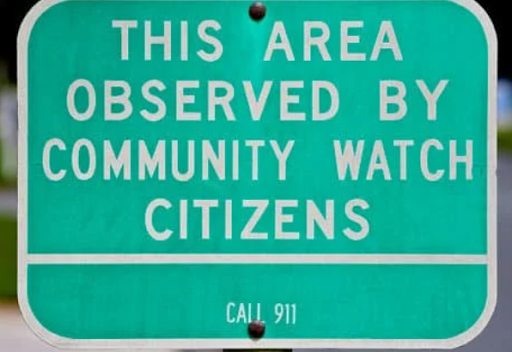
Residents in these neighborhoods are active in local meetings, watch groups, and city initiatives. That involvement plays a major role in keeping neighborhoods secure.
Infrastructure and Urban Design
Good lighting, walkable layouts, and reliable transportation options improve safety and reduce risk.
Access to Essential Services
Strong schools, nearby hospitals, and well-kept public spaces help build a safe and stable community.
Local Safety Initiatives in Washington, D.C.
The District has made significant strides in enhancing public safety through targeted initiatives:
- Safe Blocks Initiative: A community policing effort focusing on high-engagement zones
- Neighborhood Watch Groups: Encouraged and supported by the D.C. Metropolitan Police
- Traffic and Pedestrian Safety Programs: Including Vision Zero to reduce traffic fatalities
- Public Surveillance Expansion: Over 6,000 surveillance cameras citywide
These programs are most active and visible in many of the neighborhoods listed above, contributing to their continued ranking as the safest places to live in Washington, D.C.
Is Washington, D.C. a Good Place to Live?
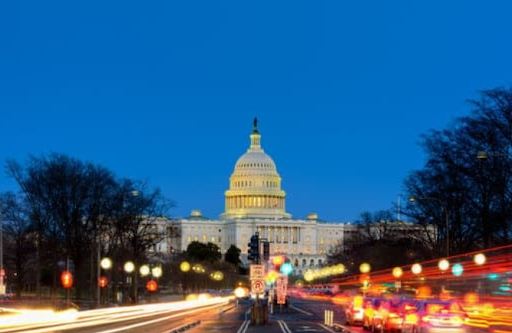
Absolutely. While the city has its challenges, many D.C. neighborhoods are thriving, welcoming, and secure. When you choose one of the safest neighborhoods in Washington, D.C., you can enjoy the best the city has to offer without compromising on peace of mind.
How to Evaluate Safety Before Moving
Even if a neighborhood looks appealing on the surface, it’s important to do your due diligence before making a move. Here are a few key ways to evaluate neighborhood safety:
1. Check Crime Maps and Public Data
Use tools like the DC Crime Cards or sites like NeighborhoodScout, CityProtect, or SpotCrime to get up-to-date reports on crime rates, types of offenses, and trends by zip code or neighborhood.
2. Visit the Neighborhood at Different Times
If possible, spend time in the area both during the day and at night. Observe how well-lit the streets are, how active the sidewalks are, and whether residents appear comfortable and engaged in the community.
3. Talk to Local Residents
A quick conversation with a neighbor, local business owner, or community association representative can give you candid insights into what it’s really like to live there. Ask about police responsiveness, neighborhood watch programs, or any common concerns.
4. Look for Signs of Stability
Well-maintained homes, clean streets, and community signage (like block captains or watch alerts) often signal a safer environment. High homeownership rates can also indicate long-term investment in the neighborhood.
5. Review School and Transit Safety
If you have children or plan to use public transportation, research nearby schools and transit hubs. Look at their safety protocols and check whether students and commuters feel secure.
6. Use Real Estate and Relocation Tools
Sites like Zillow, Redfin, and Movoto often include community safety ratings and resident reviews. While not perfect, these tools can provide general trends and comparisons between areas.
Why Safety Matters And What to Do If You’re Injured Despite It
Whether you’re relocating or just doing research, these seven neighborhoods provide outstanding options for anyone looking for the safest neighborhoods in Washington, D.C.
Even in the safest communities, accidents and unexpected events can occur – such as a slip-and-fall, car accident, or negligent security. If you or a loved one were hurt due to someone else’s negligence, contact Seay/Felton LLC today for a free consultation. There’s no fee unless we recover for you.
Disclaimer: Crime statistics and safety scores referenced in this article are based on third-party sources. These figures may not reflect real-time data, and no city is 100% crime-free.