
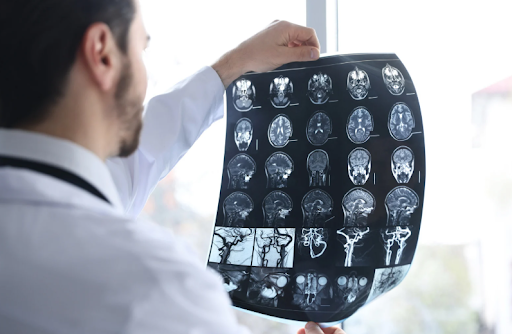
MRIs and CT scans can miss traumatic brain injuries because some injuries affect how the brain functions without causing visible structural damage. A person may experience headaches, dizziness, memory problems, or difficulty concentrating even when imaging results appear normal. This is particularly common with concussions and other mild traumatic brain injuries.
A normal brain scan does not necessarily mean someone escaped injury. Although imaging tests can identify bleeding, swelling, and certain types of tissue damage, they cannot detect every effect of head trauma. For Georgia accident victims, understanding these limitations can help them recognize persistent symptoms, seek appropriate medical care, and document injuries that may become part of a personal injury claim.
An Atlanta car accident lawyer can investigate the collision, review available medical documentation, and help determine whether the evidence supports a personal injury claim, even when the initial CT scan is normal.
Call Seay/Felton at 404-902-6444 or contact us online for a free consultation. You do not pay attorney fees unless we recover compensation for you.
Why Do CT Scans Miss Some Traumatic Brain Injuries?
A CT scan uses X-rays to create detailed images of the brain. Emergency departments commonly use CT scans after head trauma because they can quickly identify potentially dangerous conditions, including bleeding inside the skull, certain fractures, and brain swelling.
The limitation is that CT scans primarily identify structural abnormalities. They cannot detect every change in brain function caused by trauma.
For example, a driver involved in a rear-end collision on Interstate 285 in Atlanta may experience a sudden, forceful movement of the head. At the emergency room, a CT scan may show no bleeding or other visible injury. The driver may still experience headaches, dizziness, or difficulty concentrating consistent with a concussion.
A normal CT scan can help rule out certain immediate medical emergencies, but it does not rule out every traumatic brain injury.
Why Can an MRI Fail to Detect a Brain Injury?
An MRI uses magnetic fields and radio waves to produce detailed images of brain tissue. Compared with CT scans, MRI can reveal certain abnormalities that may not appear on initial imaging.
Even so, conventional MRI scans also have limitations. Some traumatic brain injuries involve microscopic damage or changes in brain function that are too subtle to appear on routine imaging.
Consider a pedestrian struck by a vehicle in downtown Atlanta. An MRI performed several days after the accident may show no visible abnormalities, even though the person continues experiencing memory difficulties, fatigue, and problems processing information.
The absence of visible damage does not necessarily mean these symptoms are unrelated to the accident.
Can an MRI Detect a Concussion?
An MRI may reveal certain abnormalities associated with head trauma, but many concussions do not produce findings visible on conventional imaging.
A concussion is generally diagnosed through a clinical evaluation rather than imaging alone. Healthcare professionals may consider how the injury occurred, whether the person experienced confusion or memory loss, and whether symptoms developed afterward.
A person does not have to lose consciousness to experience a concussion. Likewise, a normal MRI does not automatically rule one out.
What Is Diffuse Axonal Injury?
Diffuse axonal injury occurs when forces associated with rapid acceleration, deceleration, or rotation damage nerve fibers in the brain. These fibers, called axons, help transmit signals between different brain regions.
Diffuse axonal injuries can occur during serious trauma, including high-speed vehicle collisions. Some injuries may not produce obvious bleeding or abnormalities on a CT scan.
MRI is generally more sensitive than CT for detecting certain findings associated with diffuse axonal injury. However, even MRI may not reveal every area of microscopic damage.
Diffuse axonal injury and concussion are not interchangeable diagnoses. Diffuse axonal injury can involve significant structural damage, while a concussion may occur without abnormalities visible on conventional imaging.
What Are the Symptoms of a Traumatic Brain Injury With a Normal Scan?
A person may experience traumatic brain injury symptoms even when a CT scan or MRI shows no visible abnormalities.
Common symptoms include:
- Persistent headaches or pressure in the head
- Dizziness, nausea, or balance problems
- Difficulty concentrating or remembering information
- Sensitivity to light or noise
- Blurred vision or other visual disturbances
- Sleep disturbances and unusual fatigue
- Irritability, anxiety, or changes in mood
- Slower thinking or difficulty completing familiar tasks
Symptoms may appear immediately after an accident or become more noticeable over the following hours or days.
For example, someone injured in a workplace fall may initially feel well enough to return home. Two days later, they may notice that reading emails takes longer, conversations are harder to follow, or ordinary tasks cause unusual mental fatigue.
These changes deserve medical attention, even if the initial emergency room scan was normal. However, headaches, fatigue, and concentration problems can also have other causes. A healthcare professional must evaluate the person’s condition before determining whether a traumatic brain injury occurred.
Severe or worsening headaches, repeated vomiting, seizures, increasing confusion, weakness, or difficulty waking after head trauma require emergency medical attention.
How Do Doctors Diagnose a Brain Injury When Imaging Is Normal?
Doctors do not rely exclusively on imaging to diagnose traumatic brain injuries. Instead, they consider medical history, symptoms, neurological findings, and other clinical information.
Medical History and Neurological Examinations
Healthcare professionals may ask how the accident happened, whether the head struck an object, and whether the person experienced confusion, disorientation, or memory gaps.
A neurological examination may assess balance, coordination, reflexes, eye movements, strength, memory, and attention. These findings can help doctors determine whether additional evaluation is necessary.
Cognitive and Neuropsychological Testing
When symptoms persist, a healthcare professional may recommend testing to assess memory, concentration, processing speed, and other cognitive abilities.
Neuropsychological testing can help document functional difficulties and guide treatment or rehabilitation. The results still must be interpreted alongside other medical evidence and do not independently establish that an accident caused a brain injury.
Follow-Up Medical Evaluations
Some symptoms become more noticeable after the initial emergency room visit. Follow-up appointments allow healthcare professionals to monitor recovery, evaluate persistent symptoms, and determine whether further testing or treatment is appropriate.
Consistent medical records may also help document when symptoms began and how they affect daily activities.
Can Advanced Brain Imaging Detect Injuries That Standard Scans Miss?
Advanced imaging methods may reveal changes that conventional CT scans and MRIs cannot detect.
One example is diffusion tensor imaging (DTI), an MRI-based technique that measures patterns of water movement within brain tissue. Researchers use DTI to study white matter pathways and investigate changes associated with traumatic brain injuries.
However, DTI is not a universally accepted standalone diagnostic test for mild traumatic brain injury in an individual patient. Results may be affected by technical factors, individual differences, and medical conditions unrelated to trauma.
Advanced imaging findings do not automatically prove that a person has a traumatic brain injury or that a specific accident caused it. Medical professionals must determine whether additional imaging is appropriate based on the patient’s symptoms and clinical findings.
How Can a Normal MRI or CT Scan Affect a Brain Injury Claim?
A normal MRI or CT scan may create challenges when someone seeks compensation after a traumatic brain injury.
Insurance companies review medical records to evaluate whether an injury is supported by available evidence. When imaging results show no visible abnormalities, an insurer may question the diagnosis, severity, or cause of the reported symptoms.
Still, a normal scan does not automatically mean a brain injury claim lacks medical support.
Take a Georgia delivery driver who suffers a concussion in a collision involving a commercial truck. The driver’s emergency room CT scan is normal, but they later experience concentration problems and dizziness that interfere with their ability to drive safely.
The injury may affect the driver’s income and daily activities despite the absence of visible abnormalities on the initial scan. A truck accident lawyer can investigate the circumstances of the collision, identify potentially responsible parties, and evaluate medical and employment records that may help establish the driver’s losses.
In a personal injury claim, the central question is not simply whether imaging shows damage. The available evidence must support the injury, connect it to the accident, and establish the resulting losses.
What Evidence Can Support a Traumatic Brain Injury Claim?
Depending on the circumstances, relevant evidence may include:
- Medical records: Emergency room evaluations, follow-up visits, diagnoses, and treatment recommendations.
- Neurological assessments: Findings from healthcare professionals who evaluate brain and nervous system function.
- Neuropsychological evaluations: Testing that may document cognitive difficulties and functional limitations.
- Employment records: Missed work, reduced hours, modified duties, or changes in job performance.
- Witness statements: Observations from family members, coworkers, or others who noticed changes after the accident.
- Symptom records: Notes describing headaches, memory problems, sleep disturbances, and their effects on daily life.
No single test or document necessarily proves that an accident caused a traumatic brain injury. Medical findings, accident evidence, and other records must be considered together.
A Georgia personal injury lawyer can help investigate the accident, review relevant documentation, and identify evidence that may support a claim.
What Should You Do If Your Brain Scan Is Normal but Symptoms Continue?
If you continue experiencing symptoms after a head injury, do not assume that normal imaging results mean further medical care is unnecessary. These steps can help protect your health and your claim:
- Seek follow-up medical care. Explain your symptoms to a healthcare professional, including when they began and whether they have changed. Follow medical recommendations for additional evaluation or treatment.
- Attend recommended appointments. Persistent symptoms may require further assessment, rehabilitation, or referral to another healthcare professional.
- Document changes in your daily life. Keep accurate notes about headaches, memory difficulties, sleep problems, and activities you can no longer perform as easily. Save relevant medical and employment records.
- Consider speaking with a personal injury attorney. If another person’s negligence may have caused your injury, an attorney can explain your legal options and help you understand the evidence needed to pursue a claim.
Most Georgia personal injury claims must be filed within two years from the date of injury (O.C.G.A. § 9-3-33), but some cases may involve different rules or shorter notice requirements. Confirm your deadline with an attorney as soon as possible.
Contact Seay/Felton LLC Trial Lawyers About a Brain Injury Claim
A normal MRI or CT scan does not necessarily tell the full story of a traumatic brain injury. If you continue experiencing headaches, memory difficulties, dizziness, or other symptoms after an accident, the effects on your health, work, and daily life may be significant.
At Seay/Felton, we understand that brain injury claims may involve medical questions that imaging results alone cannot answer. Our legal team can review the circumstances of your accident, investigate available evidence, and explain your options under Georgia law.
If you or a loved one suffered a suspected traumatic brain injury because of someone else’s negligence, call 404-902-6444 or contact Seay/Felton online to discuss your situation and learn how we may be able to help. You do not pay attorney fees unless we recover compensation for you.
Frequently Asked Questions
1. Can You Have a Traumatic Brain Injury With a Normal CT Scan?
Yes. A person can have a traumatic brain injury, particularly a concussion, even when a CT scan shows no abnormalities. CT scans can identify certain structural injuries but cannot detect every change in brain function.
2. Can an MRI Show an Old Traumatic Brain Injury?
Sometimes. An MRI may reveal structural changes associated with a previous brain injury. However, some older injuries leave no visible abnormalities, and imaging findings alone may not establish when or how an injury occurred.
3. Does a Normal MRI Mean a Concussion Has Healed?
No. A normal MRI does not establish whether a concussion has healed. Recovery is generally assessed through symptoms, clinical examinations, and functional improvement rather than imaging results alone.
4. Can You File a Brain Injury Claim Without Positive MRI Results?
Potentially. Medical evaluations, documented symptoms, functional limitations, and other evidence may support a claim even when MRI results are normal. Whether compensation is available depends on the facts, including liability, causation, damages, and applicable law.
5. How Long Can Traumatic Brain Injury Symptoms Last?
Recovery varies. Some people improve within days or weeks, while others experience symptoms for months or longer. Persistent or worsening symptoms should be evaluated by a healthcare professional.