
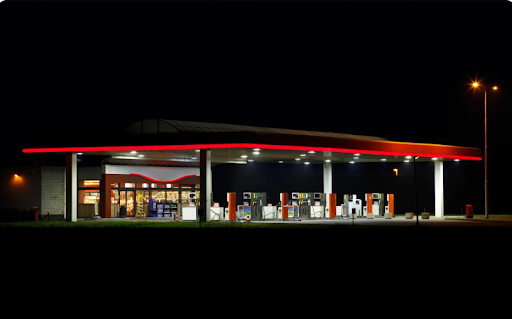
Gas stations and convenience stores are part of everyday life. People stop for gas, food, coffee, cash, or supplies at all hours, often alone or in unfamiliar areas. Customers have a right to expect these properties to be reasonably safe.
When owners or operators ignore warning signs, violent crimes can happen. If you were attacked, shot, assaulted, robbed, or otherwise harmed at a gas station or convenience store, you may have questions about whether the business can be held responsible.
Seay/Felton LLC Trial Lawyers can investigate what happened, review the property’s security history, and fight for the compensation you deserve. You do not pay attorney fees unless we recover compensation for you.
When Can a Gas Station or Convenience Store Be Liable for Negligent Security?
A gas station or convenience store may be liable when the owner, operator, landlord, or management company failed to take reasonable steps to protect customers from foreseeable danger. These claims often fall under negligent security, which involves unsafe property conditions that expose visitors to preventable crime.
Businesses are not automatically responsible for every crime that happens on their property. But when a location has a history of robberies, shootings, assaults, drug activity, loitering, or other safety problems, those warning signs may create a duty to act.
Reasonable action may include better lighting, working cameras, trained employees, security patrols, controlled access, or other safety measures. When a business fails to respond, customers can pay the price.
Why Are Gas Stations and Convenience Stores Common Locations for Negligent Security Claims?
Gas stations and convenience stores can attract crime for several reasons. Many are open late or operate 24 hours a day. Customers may be carrying cash, using ATMs, walking through dark parking lots, or standing outside while pumping gas. Employees may also be working alone during overnight shifts.
Some locations become known danger spots. Police may be called there repeatedly. Employees may raise safety concerns. Customers may report threats, fights, or suspicious activity. If management ignores those problems, the risk to customers and workers can grow.
Common Security Problems at Gas Stations and Convenience Stores
Negligent security cases involving gas stations and convenience stores may involve:
- Poor lighting in parking lots, near pumps, or around entrances
- Broken or missing surveillance cameras
- Cameras that were not monitored or maintained
- Lack of security guards despite repeated crime
- Employees working alone during dangerous hours
- Broken locks, doors, gates, or windows
- Poor visibility caused by blocked windows or cluttered storefronts
- Failure to remove loiterers or trespassers
- Failure to respond to prior robberies, assaults, or shootings
- Lack of policies for handling threats or suspicious activity
These issues can help show that the business failed to take safety seriously before someone was harmed.
What Types of Attacks Can Lead to a Negligent Security Claim?
Negligent security claims can involve many types of violent crime. At gas stations and convenience stores, these attacks often happen in parking lots, at pumps, near entrances, or inside the store.
Common incidents include robberies, shootings, assaults, stabbings, carjackings, sexual assaults, and attacks by people who were allowed to remain on the property despite obvious risks. Similar issues may arise in other settings, including apartment complexes, hotels, parking areas, bars, and other properties where owners fail to respond to safety concerns.
The key question is not only who committed the attack. The question is whether reasonable security measures could have reduced the risk.
How Do You Prove Negligent Security at a Gas Station or Convenience Store?
These cases require a careful investigation. The business may deny responsibility and argue that the crime was random or impossible to prevent. Our attorneys look for evidence showing what the property owner knew, what had happened there before, and what steps were taken before the attack.
Gas station and convenience store cases are part of a broader area of law known as premises liability. In these claims, the condition of the property, prior incidents, and the owner’s response to safety concerns can all matter.
Evidence That May Help Prove the Claim
Important evidence may include police reports, prior 911 calls, surveillance video, incident reports, employee statements, maintenance records, lighting records, crime history for the property, security contracts, and company policies.
Surveillance video can be especially important, but it may be erased or overwritten quickly. Lighting conditions may also change after an attack if the business repairs bulbs or adds new fixtures. That is why it helps to contact an attorney as soon as possible.
Seay/Felton can move quickly to preserve evidence, identify responsible parties, and build a case that shows whether the business failed to protect customers.
Who May Be Responsible for a Gas Station or Convenience Store Attack?
More than one party may be responsible for negligent security. Depending on the facts, a claim may involve the store operator, property owner, franchise owner, management company, security company, or another business connected to the location.
For example, one company may own the property, another may run the store, and another may handle security or maintenance. Each party’s role matters. Our attorneys can investigate the business structure and determine who had control over the safety decisions that affected your case.
What Compensation May Be Available After a Gas Station or Convenience Store Attack?
A violent attack can affect every part of your life. You may be dealing with emergency treatment, surgery, physical therapy, trauma, missed work, and fear about returning to normal routines. In the most serious cases, families are left grieving the loss of someone they love.
A claim for compensation may be available through a personal injury case. Depending on the facts, damages may include money for:
- Medical bills
- Future medical care
- Lost income
- Reduced earning ability
- Pain and suffering
- Emotional distress
- Permanent injury or disability
- Scarring or disfigurement
- Loss of enjoyment of life
- Wrongful death damages, when a loved one is killed
Every case is different. The value of your claim depends on the severity of your injuries, the strength of the evidence, the available insurance coverage, and the long-term effect the attack has on your life.
What Should You Do After an Attack at a Gas Station or Convenience Store?
Your safety comes first. Get medical care right away, even if you are unsure how badly you were hurt. Some injuries become worse after the shock wears off, and medical records can help connect your injuries to the attack.
Report the incident to law enforcement and ask for the report number. If possible, take photos or videos of the scene, including lighting, cameras, entrances, pumps, parking areas, and anything that may show unsafe conditions. Get names and contact information for witnesses.
Avoid giving detailed statements to insurance companies or business representatives before speaking with an attorney. Evidence can disappear, witnesses can become harder to find, and the business may begin protecting itself immediately.
How Seay/Felton Helps Victims of Negligent Security
After a violent attack, you should not have to investigate a business, deal with insurance companies, or figure out legal deadlines on your own. Seay/Felton can step in, protect your rights, and handle the legal work while you focus on healing.
Our attorneys can review the property’s crime history, gather records, examine surveillance footage, work with security professionals when needed, and identify every party that may be responsible. We prepare cases with the seriousness they deserve, and if the insurance company refuses to make a fair offer, we can fight for you in court.
These cases are about more than money. They are about accountability, safety, and helping injured people move forward after preventable violence.
Why Choose Seay/Felton for a Gas Station Negligent Security Case?
Seay/Felton represents people who have been seriously injured because others failed to act responsibly. Our team understands how negligent security cases work and what it takes to prove that a property owner ignored warning signs.
We bring careful investigation, strong advocacy, and personal attention to every case. We keep clients informed, explain their options, and fight for the compensation they need for medical bills, lost income, pain and suffering, and the long-term impact of their injuries.
You will not pay attorney fees unless we recover compensation for you.
Talk to a Negligent Security Attorney Today
A trip to a gas station or convenience store should not end in violence. If you or someone you love was harmed because a business ignored known security risks, Seay/Felton can help you understand your rights and fight for accountability.
Call Seay/Felton at 404-738-7966 or contact us online for a free consultation. Let’s discuss your case and what can be done to protect your claim.
Schedule a Free consultation
Contact Seay/Felton
"*" indicates required fields
FAQs
Can I Sue a Gas Station After Being Shot or Assaulted There?
What Makes a Gas Station Attack Foreseeable?
What If the Person Who Attacked Me Was Never Caught?
How Long Do I Have to File a Negligent Security Lawsuit?
How Much Does It Cost to Hire Seay/Felton?