

When a drunk driver causes a serious injury, the driver is usually the first person held accountable. In some cases, however, the investigation should not stop there. A bar, restaurant, store, event venue, or private host may have played a role if they provided alcohol when it was unsafe and unlawful to do so.
Georgia dram shop law allows injured people to pursue a claim against an alcohol provider in limited situations. These cases are not automatic. A business or person is not responsible simply because they served or sold alcohol. But if they willfully, knowingly, and unlawfully served alcohol to someone under 21, or knowingly served a noticeably intoxicated person, while knowing that person would soon drive, they may potentially share responsibility for the harm that followed.
If you or someone you love was hurt by an impaired driver in Georgia, Seay/Felton LLC Trial Lawyers can help you understand whether a dram shop claim should be investigated.
What Is a Dram Shop Claim in Georgia?
A dram shop claim is a legal claim against a person or business that provided alcohol before an impaired person caused an injury. These claims often arise after drunk driving crashes, but they may also involve other serious harm depending on the facts.
Georgia law generally treats the act of drinking alcohol, not the act of selling or serving it, as the main cause of injuries caused by an intoxicated person. The law then creates narrow exceptions. Those exceptions may apply when alcohol is unlawfully provided to someone under 21 or knowingly provided to someone who is noticeably intoxicated, and the provider knows that person will soon drive.
Because the law is specific, a dram shop case usually requires more than proof that someone bought alcohol before a crash. The investigation must look at what the provider knew, how the person appeared at the time of service, and whether the provider had reason to know the person would soon be behind the wheel.
When Can an Alcohol Provider Potentially Share Responsibility?
Under Georgia law, an alcohol provider may potentially be liable in two main situations.
The first involves underage drinking. A provider may face liability if it willfully, knowingly, and unlawfully sells, furnishes, or serves alcohol to a person under 21 while knowing that person will soon be driving a motor vehicle.
The second involves noticeable intoxication. A provider may face liability if it knowingly sells, furnishes, or serves alcohol to a person who is noticeably intoxicated while knowing that person will soon drive.
These requirements are important. A claim cannot rest only on the fact that the driver later tested over the legal limit or admitted to drinking. The key question is what the alcohol provider knew before serving or selling more alcohol.
What Does “Noticeably Intoxicated” Mean?
Noticeable intoxication means the person showed signs of impairment that could be observed. In a Georgia dram shop case, this often becomes one of the most important parts of the investigation.
Possible signs may include:
- Slurred speech.
- Trouble walking, standing, or sitting upright.
- Bloodshot or glassy eyes.
- Confusion.
- Loud, aggressive, or unusual behavior.
- Poor coordination.
- A strong smell of alcohol.
- Falling asleep at a bar, table, or counter.
- Dropping items, spilling drinks, or struggling to pay.
Every case depends on the evidence. A high blood alcohol level after a crash may help explain how impaired the person was, but it does not always prove how they appeared when alcohol was provided. Witnesses, receipts, video footage, employee testimony, and the timing of alcohol service may all matter.
In other words, Georgia dram shop cases often turn on two facts: whether the person was underage or noticeably intoxicated when alcohol was provided, and whether the provider knew that person would soon drive.
What Does It Mean to Know Someone Will Soon Be Driving?
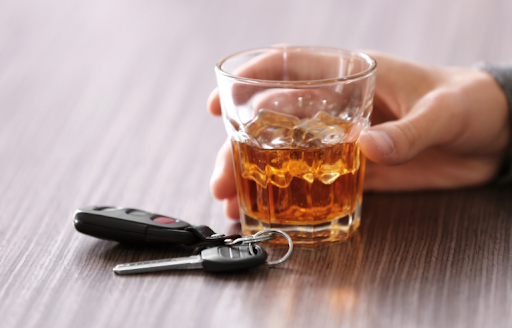
Georgia dram shop law also requires proof that the alcohol provider knew the person would soon be driving. This issue is often disputed because businesses and insurers may argue they had no way of knowing what the person planned to do after leaving.
Evidence may support this requirement when:
- The person drove to the bar, restaurant, store, or event.
- Staff saw the person with car keys.
- The person talked about driving home.
- Employees watched the person leave toward a vehicle.
- Alcohol was served or sold shortly before the crash.
- Witnesses heard statements about who was driving.
- The provider knew the person had no safe ride arranged.
This does not mean every alcohol provider is responsible when a customer later drives drunk. The facts must support the legal requirement that the provider knew the person would soon drive.
For example, a receipt showing alcohol service may matter, but it is usually not enough by itself. A stronger case may include evidence that the customer appeared impaired, talked about driving, left in a vehicle, or was served despite clear warning signs.
Who May Be Involved in a Georgia Dram Shop Case?
A dram shop investigation may involve several types of alcohol providers. Depending on the facts, a potential claim may involve:
- Bars.
- Restaurants.
- Nightclubs.
- Event venues.
- Package stores.
- Convenience stores.
- Private hosts in limited situations.
The type of provider does not decide the case by itself. A bar that serves drinks, a store that sells packaged alcohol, and a host at a private gathering may all need to be reviewed if the facts suggest alcohol was provided unlawfully or dangerously.
Serious Injuries Linked to Georgia Dram Shop Claims
Dram shop claims often involve life-changing injuries because impaired driving crashes can be violent and unpredictable. These cases may involve:
- Head and brain injuries.
- Spinal cord injuries.
- Broken bones.
- Internal injuries.
- Burn injuries.
- Amputations.
- Permanent scarring.
- Wrongful death.
The intoxicated driver’s insurance may not be enough to cover the full harm, especially when injuries are severe. A dram shop investigation can help determine whether another party may have contributed to the chain of events that caused the crash.
Evidence That Can Make or Break a Dram Shop Claim
Dram shop cases often depend on evidence that can disappear quickly. Many businesses do not keep surveillance footage for long. Witnesses may become harder to find. Receipts, tabs, and employee records may be lost if no one acts early to preserve them.
Important evidence may include:
- Receipts and credit card records.
- Bar tabs or point-of-sale records.
- Surveillance video.
- Witness statements.
- Employee schedules.
- Server, bartender, cashier, or clerk testimony.
- Police reports.
- Toxicology records.
- Photos or videos from the night of the incident.
- Social media posts.
- Rideshare records.
- Cell phone records.
- Prior incidents involving the same provider.
The timeline matters. A lawyer will look at where the person drank, how much alcohol was provided, how the person appeared, who served them, and what happened between the final alcohol service and the injury.
Early action can be especially important because the evidence needed to prove what the provider knew may be controlled by the provider itself. Preservation letters can help protect video footage, sales records, employee schedules, and other information before it is deleted or lost.
Why Georgia Dram Shop Cases Are Challenging
Georgia dram shop claims require detailed proof. Alcohol providers and insurers often fight these cases because they may involve serious injuries and significant financial exposure.
Common defenses may include:
- The person did not appear noticeably intoxicated.
- The person drank alcohol somewhere else.
- The provider checked identification.
- The provider checked identification.The provider did not know the person would drive.
- The crash happened too long after alcohol was served.
- Another person or event caused the injury.
- The injured person cannot prove where the alcohol came from.
These arguments can make the case difficult, but they do not always end the claim. A careful investigation can uncover evidence that may show what the provider knew, when alcohol was served, and whether the legal requirements are met.
How a Georgia Dram Shop Lawyer Can Help
A Georgia dram shop lawyer can help determine whether an alcohol provider may share responsibility for your injuries. Because the evidence can be time-sensitive, early legal help can make a meaningful difference.
A lawyer can help by:
- Investigating where the impaired person obtained alcohol.
- Sending preservation letters for video footage and records.
- Identifying witnesses before memories fade.
- Reviewing police reports and crash evidence.
- Obtaining receipts, bar tabs, and sales records.
- Analyzing medical and toxicology evidence.
- Determining whether the provider knew the person would soon drive.
- Reviewing all available insurance coverage.
- Handling communication with insurers.
- Preparing the case for settlement negotiations or trial when needed.
You do not need to know every detail before speaking with a lawyer. If alcohol may have played a role in the injury, the right investigation can help determine whether Georgia dram shop law may apply.
What Compensation May Be Available?
If a dram shop claim is supported by the facts, compensation may include losses tied to the injury or death. Depending on the case, this may include:
- Emergency medical care.
- Hospital bills.
- Surgery.
- Rehabilitation.
- Future medical treatment.
- Lost income.
- Reduced earning ability.
- Pain and suffering.
- Property damage.
- Funeral and burial expenses in wrongful death cases.
- Losses suffered by surviving family members.
The value of a claim depends on the injury, available evidence, insurance coverage, fault issues, and other case-specific facts. No lawyer can promise an outcome. A thorough investigation can, however, help protect your right to pursue compensation from every party that may be legally responsible.
What Should You Do After an Injury Caused by a Drunk Driver?
After a serious crash or injury, your health comes first. Once you are safe, these steps may help protect a potential claim:
- Get medical care: Some injuries are not obvious right away. Medical records also help connect your injuries to the incident.
- Call law enforcement: A police report can document suspected intoxication, witness information, and crash details.
- Save photos and videos: Keep images of the scene, vehicles, injuries, property damage, and anything showing alcohol use.
- Write down what you know: Record where the driver may have been drinking, who was present, and what anyone said about alcohol or driving.
- Avoid detailed insurer statements: Insurance companies may ask questions designed to limit responsibility.
- Contact a lawyer early: Bars, restaurants, stores, venues, and hosts may have evidence that needs to be preserved quickly.
Even small details can matter in a dram shop case. A receipt, a witness name, a photo, or a short video may help show where the alcohol came from and what the provider knew.
Talk to a Georgia Dram Shop Lawyer Today
When a drunk driver causes serious harm, the legal case may involve more than the driver alone. Georgia law may allow a claim against an alcohol provider in specific situations, but these cases require quick action, detailed evidence, and careful legal analysis.
At Seay/Felton LLC Trial Lawyers, we help injured people and families across Georgia understand their options after serious accidents. If you believe a bar, restaurant, store, event venue, or host may have provided alcohol before the crash, our team can review what happened and explain your next steps.
You do not have to handle the investigation alone. Call 404-738-7966 or contact us online at https://www.sftriallawyers.com/contact-us/ to talk about your situation.
Schedule a Free consultation
Contact Seay/Felton
"*" indicates required fields
Frequently Asked Questions
What is Georgia’s dram shop law?
Can I sue a bar for serving a drunk driver in Georgia?
Can a restaurant, store, or venue be liable under Georgia dram shop law?
Can a private host be responsible for serving alcohol?
What evidence helps prove a Georgia dram shop claim?
How soon should I contact a Georgia dram shop lawyer?