
A pressure ulcer, also called a bedsore or pressure injury, can be a serious warning sign in a nursing home. These wounds often develop when a resident remains in one position for too long, does not receive proper skin checks, or does not get the help needed to move, eat, drink, or stay clean.
Still, pressure ulcers may indicate prolonged immobility or failures in a resident’s care plan, especially when staff do not respond to redness, tenderness, discoloration, or other early warning signs.
If your loved one developed a pressure ulcer in a Georgia nursing home, you deserve clear answers. A Georgia nursing home pressure ulcer lawyer can help you understand what happened, protect important evidence, and determine whether the facility failed to provide needed skin checks, repositioning, hygiene, nutrition, hydration, or wound care.
What Is a Pressure Ulcer?
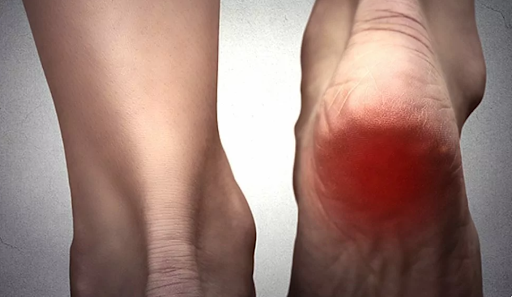
A pressure ulcer is an injury to the skin and tissue caused by ongoing pressure. These wounds often form over bony areas of the body, including the heels, hips, tailbone, back, elbows, and ankles.
Pressure ulcers can start as red, purple, or darkened skin that does not return to normal after pressure is removed. If the early signs are ignored, the wound can deepen, become infected, and cause serious pain. Severe pressure ulcers may expose tissue, muscle, tendon, or bone.
Nursing home residents may face a higher risk of pressure ulcers if they have limited mobility, poor nutrition, dehydration, incontinence, diabetes, circulation problems, or difficulty communicating pain. For residents with known risk factors, the care plan should include prevention steps such as repositioning, skin checks, hygiene, nutrition, hydration, and timely follow-up.
Why Bedsores May Point to Nursing Home Neglect
Pressure ulcers often raise serious questions about daily care. Nursing home staff should watch for changes in a resident’s condition, follow the resident’s care plan, and respond when skin begins to break down.
Bedsores are especially concerning when a resident depends on staff for turning, bathing, toileting, meals, fluids, or movement. In those situations, the wound may point to missed care or prolonged immobility.
A bedsore may suggest that staff failed to:
- Reposition a resident who could not move safely on their own.
- Check the skin for early signs of pressure damage.
- Keep the resident clean and dry.
- Provide proper nutrition and hydration.
- Use pressure-relieving cushions, mattresses, or heel protectors when needed.
- Report a wound to a nurse, doctor, or family member.
- Update the care plan after skin problems appeared.
- Follow wound care orders or physician instructions.
The key question is not simply whether a pressure ulcer exists. The question is whether the nursing home recognized the risk, took reasonable steps to prevent harm, and responded appropriately once warning signs appeared.
Early Warning Signs Staff Should Not Ignore
Pressure ulcers usually do not become severe overnight. There are often visible warning signs before the wound worsens.
Families should pay attention to changes such as:
- Skin that stays red, purple, blue, gray, or darker than normal.
- Warmth, swelling, or tenderness in one area.
- Complaints of pain, burning, or itching.
- Blisters, open sores, or draining wounds.
- Bad odor from a wound or bandage.
- Fever, confusion, or signs of infection.
- Wet bedding, dirty clothing, or poor hygiene.
- A resident being left in the same position for long periods.
If staff dismissed your concerns, failed to document the wound, or delayed medical attention, those facts may matter. They may show that early warning signs were present before the wound became severe and that the facility had an opportunity to intervene sooner.
Common Causes of Pressure Ulcers in Georgia Nursing Homes
Pressure ulcers can develop when a resident’s basic care needs are not met. In many cases, the problem is not one mistake. It may be a pattern of missed care, poor communication, or lack of supervision.
Common causes may include:
- Understaffing: There may not be enough trained staff to turn, clean, feed, and monitor residents.
- Poor care planning: The facility may fail to identify a resident as high risk, create a prevention plan, or update the plan after skin changes appear.
- Missed repositioning: Residents with limited mobility may be left in a bed, wheelchair, or recliner for too long.
- Poor nutrition or hydration: Skin can break down more easily when the body does not get enough fluids or nutrients.
- Incontinence issues: Moisture from urine or stool can damage the skin and increase the risk of wounds.
- Delayed medical attention: A small sore can become dangerous when staff fail to report, treat, or monitor it.
- Inadequate wound care: Dressings, cleaning, and infection control must be handled carefully.
The wound’s location can also help show how it may have developed. Heel ulcers may raise questions about whether heel protection was used. Tailbone wounds may point to long periods in bed or a chair, especially when hygiene or moisture problems were also present.
When a Pressure Ulcer May Support a Legal Claim
A pressure ulcer may support a nursing home neglect claim when evidence shows the wound was preventable, worsened because of poor care, or was not treated properly.
A claim may involve questions such as:
- Was the resident assessed for pressure ulcer risk?
- Did the facility create and follow a care plan?
- Did staff update the care plan after redness, skin discoloration, tenderness, or other warning signs appeared?
- Were staff turning and repositioning the resident as required?
- Were skin checks documented?
- Did staff report early signs to a nurse, doctor, or family member?
- Was wound care provided on time?
- Did the facility delay outside medical care?
- Were staffing or training problems part of the issue?
The answers depend on medical records, wound history, facility documents, and witness accounts. A lawyer can review those facts and explain whether the facility’s actions may have fallen below the required standard of care.
What Evidence Matters in a Pressure Ulcer Case?
Pressure ulcer cases often depend on records that families do not have easy access to. The nursing home may control the care plan, staffing records, wound notes, incident reports, and internal communications.
Important evidence may include:
- Medical records from the nursing home, hospital, wound clinic, or doctor.
- Photos of the wound over time.
- Care plans and risk assessments.
- Turning and repositioning logs.
- Bathing, feeding, hydration, and toileting records.
- Wound care orders and dressing change notes.
- Medication records.
- Staffing schedules.
- State inspection history.
- Witness statements from staff, residents, or visitors.
- Family notes about what they saw and when they raised concerns.
Care plan records can be especially important. They may show whether the nursing home knew the resident was at risk, what prevention steps were supposed to happen, and whether staff changed the plan once signs of skin breakdown appeared.
You do not need to collect everything before speaking with a lawyer. Early guidance can help preserve records before they are lost, changed, or replaced.
How a Georgia Nursing Home Pressure Ulcer Lawyer Can Help
A Georgia nursing home pressure ulcer lawyer can investigate how the wound developed, whether it should have been prevented, and how the facility responded once it appeared.
A lawyer can help by:
- Reviewing medical records and wound care documentation.
- Comparing the resident’s condition with the facility’s care plan.
- Looking for gaps in turning, hygiene, nutrition, and skin checks.
- Identifying whether staff ignored early warning signs.
- Consulting medical professionals when needed.
- Preserving photos, records, and witness statements.
- Handling communication with the nursing home and insurance company.
- Explaining possible claims for medical bills, pain, suffering, and other losses.
These cases can be difficult for families. A lawyer’s role is to uncover the facts, protect your loved one’s rights, and help your family decide what to do next.
What Should Families Do After Finding a Bedsore?
If you discover a pressure ulcer on your loved one, act quickly. The priority is the resident’s safety and medical care.
Take these steps when possible:
- Ask for immediate medical attention. Request that a nurse, doctor, or wound care provider evaluate the sore.
- Take clear photos. Document the wound, bedding, clothing, wheelchair, mattress, and surrounding conditions.
- Write down what you saw. Include dates, times, staff names, and what you were told.
- Ask for the care plan. Request information about turning schedules, wound care, nutrition, hydration, and risk assessments. Ask when the plan was last updated and what changed after the wound was first noticed.
- Report urgent safety concerns. If your loved one is in danger, contact the proper state agency or seek emergency medical care.
- Avoid signing broad releases. Do not sign documents from the facility or insurer without understanding what rights you may be giving up.
- Contact a lawyer. Legal guidance can help you preserve evidence and determine whether the facility may be responsible.
If something feels wrong, trust your instincts. Families are often the first to notice when a resident is being ignored, left in pain, or declining without explanation.
Pressure Ulcers Can Cause Serious Harm
A bedsore is not just a skin problem. Once a wound becomes deep, it can lead to severe pain, infection, hospitalization, surgery, and long-term health problems.
Possible complications may include:
- Cellulitis.
- Bone infection.
- Sepsis.
- Chronic pain.
- Scarring.
- Reduced mobility.
- Amputation in severe cases.
- Decline in overall health.
These complications can be especially dangerous for older adults, people with weak immune systems, and residents already living with serious medical conditions. When a pressure ulcer causes serious harm, families deserve to know whether earlier care could have made a difference.
Talk to a Georgia Nursing Home Pressure Ulcer Lawyer
A pressure ulcer can leave families feeling angry, confused, and unsure whom to trust. You may have asked the nursing home for answers and received vague explanations. You may also be wondering whether your loved one’s wound was unavoidable or whether it happened because staff failed to provide proper care.
At Seay/Felton LLC Trial Lawyers, we help families across Georgia understand their options after suspected nursing home neglect. Our team can review what happened, explain the evidence that may matter, and help you take the next step toward accountability and protection.
If your loved one developed a pressure ulcer in a Georgia nursing home, contact us today or call 404-738-7966. Let’s talk about your concerns and how we can help protect your loved one’s rights.
Schedule a Free consultation
Contact Seay/Felton
"*" indicates required fields
Frequently Asked Questions
Does every nursing home bedsore mean neglect?
Why are pressure ulcers common in immobile nursing home residents?
What should I ask the nursing home after finding a pressure ulcer?
Can a pressure ulcer case involve more than one responsible party?
What compensation may be available in a Georgia nursing home pressure ulcer case?
How soon should I contact a lawyer about a nursing home bedsore?