
If you were injured during a robbery on someone else’s property, a negligent security robbery lawyer can help determine whether inadequate security contributed to the attack. A robbery can leave victims with serious injuries, emotional trauma, and unexpected financial burdens. While the person who committed the crime may face criminal charges, a business owner, landlord, commercial property owner, or other property owner may also be held liable if inadequate security contributed to a foreseeable robbery.
Negligent security is a type of premises liability claim that arises when property owners fail to take reasonable steps to protect lawful visitors from foreseeable criminal acts. If inadequate security contributed to a robbery, you may have the right to seek compensation for your injuries and losses.
At Seay/Felton LLC Trial Lawyers, we help victims injured during robberies pursue negligent security claims against businesses, landlords, and other property owners. Our attorneys thoroughly investigate each case, identify liable parties, and fight for the compensation our clients deserve.
What Is a Negligent Security Robbery Case?
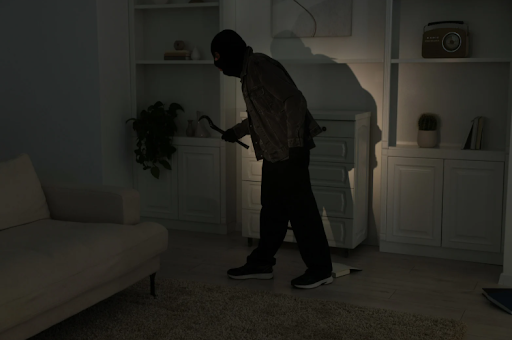
A negligent security robbery case arises when a property owner fails to provide reasonable security measures, allowing a foreseeable criminal act, such as a robbery, to occur. These claims are separate from the criminal case against the offender. Instead of focusing on the robber’s conduct, a civil negligent security claim examines whether the property owner acted reasonably to protect visitors from known or foreseeable dangers.
Property owners are not automatically liable every time a robbery occurs. The law generally recognizes that criminal acts cannot always be prevented. However, when a business owner or property owner ignores obvious security risks, fails to address known dangers, or neglects reasonable safety precautions, they may be held responsible if those failures contributed to a robbery.
Negligent security robbery claims frequently arise at:
- Apartment complexes
- Hotels and motels
- Shopping centers
- Grocery and convenience stores
- Gas stations
- Parking lots and parking garages
- Office buildings
- Nightclubs and bars
- Banks
- Event venues
- Hospitals
- College campuses
Each property presents different security risks, and owners are expected to evaluate those risks and take reasonable steps to reduce the likelihood of criminal activity.
When Can a Property Owner Be Liable for a Robbery?
Whether a property owner can be held liable depends on the specific facts of the case. Generally, an injured victim must show that the owner owed a duty to maintain reasonably safe premises, failed to meet that duty, and that the security failures contributed to the robbery and resulting injuries.
Duty to Maintain Reasonably Safe Premises
Businesses and property owners that invite customers, tenants, guests, or other lawful visitors onto their property have a responsibility to maintain reasonably safe conditions. That responsibility extends beyond repairing physical hazards such as broken stairs or slippery floors. In many circumstances, it also includes taking reasonable steps to protect visitors from foreseeable criminal activity.
What constitutes reasonable security depends on several factors, including:
- The type of property
- The property’s location
- The history of criminal activity in the area
- Previous incidents occurring on the premises
- The hours of operation
- The number of visitors expected on the property
For example, a busy convenience store that operates overnight in an area with a history of robberies may require stronger security measures than a small office building open only during regular business hours. Similarly, an apartment complex with repeated reports of violent crime may need to improve access controls, repair broken gates, or increase security patrols to protect residents and visitors.
Foreseeable Crime Is Often the Key Issue
One of the most important questions in a negligent security robbery case is whether the criminal act was reasonably foreseeable. Property owners are generally not expected to predict every criminal act, but they are expected to respond appropriately when warning signs indicate an increased risk of crime.
Evidence that may establish foreseeability includes:
- Prior robberies on the property
- Previous assaults or violent crimes
- Police reports involving the premises
- Local crime statistics
- Repeated tenant or customer complaints
- Employee reports of suspicious activity
- Calls for police service
- Prior security incidents involving the property
When owners know, or reasonably should know, that criminal activity is occurring on or around their property, they may have a duty to implement reasonable security measures to reduce the risk of future incidents. Businesses often argue that a robbery was an isolated or unpredictable event. However, repeated police calls, prior robberies, tenant complaints, broken security equipment, or documented criminal activity may show that the owner had notice of ongoing safety concerns but failed to act. Ignoring these warning signs can place customers, tenants, employees, and guests at unnecessary risk of preventable harm.
Once a property owner knows, or reasonably should know, that criminal activity poses a risk, the next question becomes whether reasonable security measures were actually in place. Courts often examine whether the owner responded appropriately to known dangers or allowed preventable security problems to continue despite repeated warning signs.
Failure to Provide Reasonable Security
Even when criminal activity is foreseeable, liability depends on whether the property owner failed to take reasonable precautions under the circumstances. Every property is different, but reasonable security often includes maintaining working locks, providing adequate lighting, monitoring surveillance systems, restricting unauthorized access, and ensuring appropriate staffing or security personnel when conditions warrant.
Property owners can help reduce the risk of criminal activity by regularly maintaining their properties, responding promptly to safety concerns, and implementing reasonable security measures when circumstances warrant. Taking proactive steps to address known risks can create a safer environment for customers, tenants, employees, and other lawful visitors while helping prevent foreseeable harm.
Reasonable security may also include repairing broken access-control systems, maintaining key-card entry systems, securing doors that have been left propped open, repairing damaged perimeter fencing, trimming landscaping that creates hiding places, and ensuring emergency call stations or other security features function properly.
At Seay/Felton LLC Trial Lawyers, we carefully investigate whether a property owner’s actions, or inaction, contributed to the robbery. Our legal team reviews property records, maintenance history, prior incident reports, surveillance footage, police records, and other evidence to determine whether reasonable security measures were lacking and whether those failures contributed to the injuries our clients suffered.
Common Examples of Negligent Security That Can Lead to a Robbery
Negligent security robberies can occur almost anywhere people live, work, shop, or gather. Whether a customer is robbed in a convenience store parking lot, a hotel guest is attacked in a hallway, or an apartment resident is assaulted after a broken security gate is left unrepaired, inadequate security measures can create opportunities for violent crime. Property owners should regularly evaluate security risks and address known hazards before someone is injured.
- Poor Lighting: Dimly lit parking lots, garages, stairwells, sidewalks, and building entrances can create opportunities for criminals to target unsuspecting victims. Proper lighting helps deter criminal activity, improves visibility, and allows visitors to identify potential dangers before they become victims.
- Missing or Non-Functioning Security Cameras: Surveillance cameras can discourage criminal behavior and provide valuable evidence when a crime occurs. However, cameras that are broken, improperly positioned, never monitored, or entirely absent may contribute to unsafe conditions, particularly at businesses that regularly experience high customer traffic or operate late at night.
- Broken Locks and Security Gates: Apartment complexes, hotels, office buildings, and other properties often rely on secure locks, controlled entry systems, and functioning security gates to limit unauthorized access. Broken locks, malfunctioning gates, or unsecured entrances can allow criminals to enter areas where residents, guests, and customers reasonably expect to be safe.
- Inadequate Security Staffing: Some properties require trained security personnel to help protect visitors from foreseeable criminal activity. A lack of security guards, poorly trained personnel, or inadequate patrols may leave businesses, apartment communities, and entertainment venues vulnerable to robberies that reasonable security measures could have helped prevent.
- Ignored Prior Criminal Incidents: Perhaps the strongest evidence of negligent security is a property owner’s failure to respond to previous criminal activity. Repeated robberies, assaults, police calls, or tenant complaints may demonstrate that the owner knew, or should have known, that additional security measures were necessary. Ignoring these warning signs can place future visitors at unnecessary risk.
- Broken Access Control Systems: Apartment buildings, hotels, office complexes, and other secured properties often rely on key-card entry systems, intercoms, security gates, and controlled-access doors. When these systems are broken or left unrepaired, unauthorized individuals may gain easier access to the property.
- Unsafe Property Maintenance: Overgrown landscaping that creates hiding places, damaged perimeter fencing, doors that are routinely propped open, or emergency call stations that do not work may all contribute to unsafe conditions when property owners fail to correct known problems.

Injuries and Damages After a Robbery
Robberies frequently leave victims with injuries that require extensive medical treatment and long-term care. Even when physical injuries heal, the emotional effects of a violent attack can last for years.
Common physical injuries include:
- Gunshot wounds
- Stab wounds
- Broken bones
- Head and traumatic brain injuries
- Facial injuries
- Internal injuries
- Soft tissue injuries
Victims may also experience significant psychological trauma, including:
- Post-traumatic stress disorder (PTSD)
- Anxiety
- Depression
- Panic attacks
- Sleep disturbances
- Emotional distress
These injuries often result in substantial financial losses, including emergency medical care, hospitalization, rehabilitation, counseling, lost wages, diminished earning capacity, and ongoing treatment expenses.
Evidence Used to Prove a Negligent Security Claim
Building a successful negligent security claim often depends on evidence that can disappear within days or even hours after a robbery. Surveillance footage may be overwritten, witnesses may become difficult to locate, and conditions on the property can change before an investigation begins. Prompt legal action helps preserve the evidence needed to determine whether inadequate security contributed to the crime.
At Seay/Felton LLC Trial Lawyers, we work to preserve and analyze critical evidence, including:
- Surveillance camera footage
- Police reports
- Incident reports
- Prior crime records
- Maintenance and repair records
- Security inspection reports
- Property security policies
- Witness statements
- Employee testimony
- Photographs and videos
- Security contracts
- Local crime statistics
- Security guard schedules and patrol logs
- Surveillance system maintenance records
- Access-control and key-card entry records
- Property management communications regarding prior safety complaints
- Alarm system inspection and maintenance records
Our attorneys may also review employee schedules, maintenance requests, repair records, and communications between property managers, landlords, and security personnel to determine whether known security concerns were ignored. In many negligent security cases, this evidence helps establish that the robbery was foreseeable and that reasonable steps to reduce the risk were never taken.
This evidence helps establish whether the robbery was foreseeable and whether the property owner failed to take reasonable steps to reduce the risk of criminal activity.
How Seay/Felton LLC Trial Lawyers Can Help
Negligent security cases often involve complex factual investigations and aggressive insurance defense strategies. Property owners and insurers may argue that the criminal alone is responsible or that the robbery could not have been anticipated. Our attorneys understand these defenses and work diligently to build compelling cases supported by evidence.
When you hire Seay/Felton LLC Trial Lawyers, our attorneys move quickly to investigate every aspect of the robbery and the property’s security conditions. We also evaluate whether poor lighting, broken locks, missing or non-functioning security cameras, inadequate security staffing, or other security failures contributed to the robbery.
Our team also works with qualified security and premises liability experts when appropriate to evaluate whether reasonable safety measures were lacking. We identify all potentially responsible parties, including property owners, landlords, management companies, and security contractors, and prepare every case as though it may proceed to trial. This thorough approach allows us to present well-supported claims while advocating for the full compensation our clients may be entitled to recover.
We understand the physical, emotional, and financial burdens that often follow a violent robbery. Our goal is to hold negligent property owners accountable and pursue the available compensation the law allows based on the facts of the case.
Compensation Available in a Negligent Security Robbery Case
Depending on the circumstances of your case, you may be entitled to recover compensation for:
- Medical expenses
- Future medical treatment
- Lost wages
- Loss of earning capacity
- Pain and suffering
- Emotional distress
- Mental health treatment
- Permanent disability
- Permanent disfigurement
- Loss of quality of life
If a robbery results in the loss of a loved one, surviving family members may also have the right to pursue wrongful death damages under applicable law.
What Should You Do After Being Injured During a Robbery?
The actions you take after a robbery can help protect both your health and your legal rights.
If possible:
- Call 911 and report the crime immediately.
- Seek prompt medical treatment, even if injuries appear minor.
- Notify the property owner or manager about the incident.
- Take photographs of the scene, your injuries, and any hazardous security conditions.
- Obtain contact information for witnesses.
- Save medical records, receipts, and other documentation related to your losses.
- Speak with an experienced negligent security robbery lawyer before discussing the incident with insurance companies.
Acting quickly can help preserve evidence that may be essential to proving your claim.
Contact a Negligent Security Robbery Lawyer Today
A violent robbery can leave lasting physical, emotional, and financial consequences. When property owners ignore known security risks, fail to repair broken locks, neglect poor lighting, overlook prior criminal activity, or refuse to implement reasonable security measures, innocent people can suffer preventable harm.
If you or a loved one was injured during a robbery on commercial or residential property, Seay/Felton LLC Trial Lawyers is ready to help. Our attorneys have the experience, resources, and commitment to investigate negligent security claims, identify liable parties, and pursue the compensation our clients deserve.
Contact Seay/Felton LLC Trial Lawyers today for a free consultation. We will evaluate your case, explain your legal options, and fight to hold negligent property owners accountable while you focus on your recovery.
Schedule a Free consultation
Contact Seay/Felton
"*" indicates required fields
Frequently Asked Questions
Can I sue if I was robbed at a business or apartment complex?
What makes a robbery foreseeable?
What if the robber is never caught?
How much does it cost to hire Seay/Felton LLC Trial Lawyers?