
Top 7 Most Dangerous Roads and Intersections in Washington, D.C. for Drivers
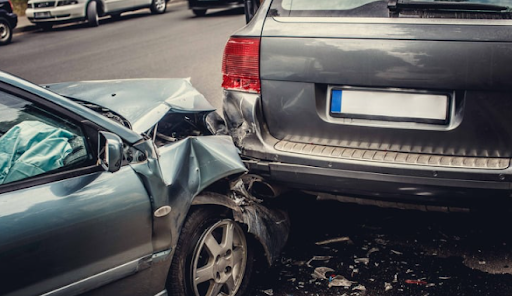
Driving in D.C. can feel like a constant mix of tight lanes, sudden merges, tourists who miss turns, buses stopping often, bikes in the curb lane, and pedestrians crossing late. Add delivery trucks and rideshare pickups, and certain corridors become repeat trouble spots. This blog breaks down seven of the most dangerous intersections and roads in Washington, D.C., why they are risky, and how to lower your odds of getting pulled into a car crash.
Why Certain D.C. Roads and Intersections Are Riskier Than Others
Not every road or intersection in Washington, D.C. poses the same risk to drivers. Some places consistently see more crashes, injuries, or near misses than others, but what actually makes them dangerous?
Common Risk Factors
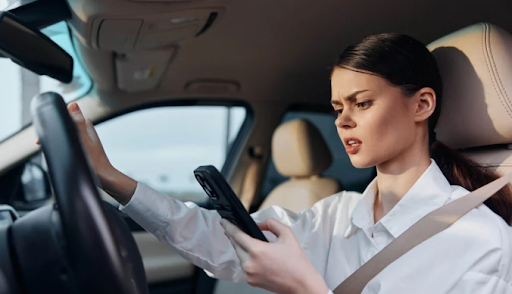
Across the board, dangerous roads usually have some or all of these elements:
- High traffic volume: The more vehicles moving through, the more chances for things to go wrong, especially during rush hours.
- Speeding or poor speed control: Long straightaways or poorly enforced speed limits invite faster driving, thus increasing the severity of crashes.
- Poor visibility: Sharp curves, overgrown trees, blocked sightlines, or limited lighting at night all make it harder to react in time.
- Complicated intersections: Unusual angles, outdated traffic signals, or multi-way merges can cause confusion and hesitation.
- Heavy pedestrian traffic: Areas near Metro stops, schools, parks, or shopping centers increase the risk of accidents between vehicles and pedestrians.
- Bad road infrastructure: Faded lane markings, potholes, unclear signage, or confusing lane signage increase the risk of crashes happening.
- Distracted or aggressive driving: Tailgating, texting, illegal turns, or weaving through traffic all increase the chance of a collision.
What Makes It Worse in D.C.
While the above applies to most major cities, D.C. has some specific factors that raise the stakes:
- Mixture of locals, tourists, and government commuters: The city is a hub for people from all over. Not everyone is familiar with the roads, leading to more unpredictable driving.
- Frequent lane restrictions or reroutes: Due to federal buildings, protests, and construction zones, traffic patterns often change with little notice.
- Tight urban space: Narrow lanes, tight corners, and limited shoulder space give drivers less room to correct mistakes.
- High pedestrian and cyclist volume: D.C. ranks high in pedestrian and bike activity, increasing the number of multi-party accidents.
- Delivery and rideshare activity: Heavy rideshare and commercial delivery traffic, especially downtown, means more stop-and-go driving and sudden lane changes.
Understanding all of these risks helps explain why certain intersections and corridors consistently are considered more dangerous than others.
7 Most Dangerous Roads and Intersections in Washington, D.C.
Some parts of D.C. consistently see more crashes and traffic-related injuries than others. Whether it’s due to confusing layouts, heavy foot traffic, or constant stop-and-go driving, these are the spots where accidents happen more often.
1. New York Avenue NE (Especially Near Florida Avenue)
New York Avenue is one of D.C.’s main inbound and outbound traffic routes and one of its most dangerous. It’s a pressure point during rush hours and a known crash zone.
Why it’s risky:
- Sudden lane shifts as drivers try to get into the correct lane
- Conflicting turning patterns from different directions
- Heavy delivery and truck traffic need a wide space to maneuver
- Confusion caused by fast merges and missed turn-offs
2. South Capitol Street (From N Street SW to the Frederick Douglass Bridge)
A major route for commuters heading in and out of the city. It’s often clogged at peak times and has a reputation for fast merges and sudden slowdowns.
Why it’s risky:
- Stop-and-go traffic that leads to rear-end collisions
- Drivers weaving through lanes to beat congestion
- Lane blockages or backups extending into intersections
- Poor lane discipline near merge points
3. Georgia Avenue NW (North of Howard University Through Shepherd Park)
Georgia Avenue NW is a major north-south corridor that runs through several D.C. neighborhoods, including Park View and Brightwood. It handles a mix of local, commuter, and commercial traffic, especially near major intersections like Missouri Avenue.
Why it’s risky:
- Unclear road signage and inconsistent turning lanes near key intersections
- Speeding drivers in areas with heavy pedestrian activity
- High volume of cars, buses, and delivery vehicles sharing the road
- Road surface issues like potholes and lane shifts
4. Benning Road NE (Particularly Near East Capitol Street)
Benning Road handles a steady stream of traffic from both commuters and locals. Near East Capitol Street, the layout gets more complex.
Why it’s risky:
- High-speed traffic merging into local streets
- Poor visibility due to street lighting or weather
- Multiple lanes converging quickly, often without clear signage
- Drivers making last-minute turns or lane changes
5. 14th Street & U Street NW
This intersection is at the heart of nightlife, restaurants, and foot traffic. It stays busy well into the evening with both cars and people.
Why it’s risky:
- Constant rideshare pickups and drop-offs are causing sudden stops
- High foot traffic and unpredictable pedestrian crossings
- Tight turning lanes that clash with crosswalk flow
- Increased risk of rear-end or side-swipe collisions during weekends
6. I-295 / Kenilworth Avenue Corridor
This stretch of highway serves as a connector between northeast and southeast D.C., making it one of the busiest and most dangerous in the city. It’s not a single intersection but rather a corridor
Why it’s risky:
- Frequent high-speed driving and aggressive lane changes
- Tight merging zones with short on-ramps and little room to adjust
- Narrow shoulders and poor road markings in certain segments
- Reduced visibility or confusion at exits and entry points
7. Pennsylvania Avenue & 6th Street NW
This intersection lies in a high-profile part of the city near federal buildings, tourist landmarks, and constant foot traffic. It’s a zone where vehicles, buses, bikes, and pedestrians all compete for limited space.
Why it’s risky:
- Crowded crosswalks and frequent pedestrian movement
- Buses and delivery vans making tight turns in shared lanes
- Drivers distracted by nearby landmarks, traffic signals, or GPS directions
- Visibility issues caused by large vehicles or groups of tourists
Tips to Reduce Your Risk on These Roads and Intersections
If you regularly drive through D.C.’s most dangerous roads and intersections, it’s smart to adjust your driving habits. Here are some practical tips to help keep you safer behind the wheel:
- Slow down in high-risk areas even if you're running late.
- Avoid distractions like your phone, GPS, or eating while driving.
- Watch for pedestrians and cyclists, especially near intersections or in neighborhoods.
- Give large vehicles space and don’t tailgate buses or trucks.
- Use headlights in poor weather or at dawn or dusk to stay visible to others.
- Stay out of the truck's blind spots.
- Signal your turns early and change lanes with caution.
- Look both ways before entering intersections, even if you have the green light.
Being proactive can help you avoid being part of a crash.
What to Do After a Crash in Washington, D.C.

Even when you’re careful, crashes can still happen. What you do in the minutes after an accident can make a huge difference for your health, safety, and any future legal claim.
Here’s what you should do:
- Call 911 if anyone may be hurt or if the scene feels unsafe.
- Seek medical attention, even if your injuries seem minor because symptoms often appear later.
- Take photos and videos of the vehicles, intersections, skid marks, visible injuries, and surroundings.
- Exchange contact and insurance information with all drivers involved.
- Collect witness names and phone numbers, if anyone saw what happened
- Limit what you say to insurance companies because anything you say may be used against you if you fail a claim. Speak with a DC traffic accident attorney before making any statements to insurers.
A knowledgeable DC injury attorney can help you understand what your case is worth and make sure no detail gets overlooked.
Why Talk to a Washington, D.C. Accident Lawyer After a Serious Crash
If the crash involves serious injuries, disputed fault, a commercial vehicle, or confusing insurance coverage, legal support can help get you your compensation. A Washington DC car accident lawyer can focus on:
- Tracking down the right coverage
- Documenting damages properly
- Pushing back if blame is being unfairly shifted to you
Legal representation matters more in truck accidents because claims can involve multiple parties and require more paperwork. It helps to work with a trucking accident lawyer in Washington, DC, who understands high-stakes injury cases and how insurers defend them.
Stay Alert and Know What to Do Next
These are not the only risky spots in the city, but they are common ones drivers struggle with. Stay patient, drive predictably, and give yourself extra time when you are near heavy merge zones and complex intersections.
If you were hurt in a crash and need help sorting out the next steps, Seay/Felton LLC Trial Lawyers can review what happened and explain your options. Contact us today.