
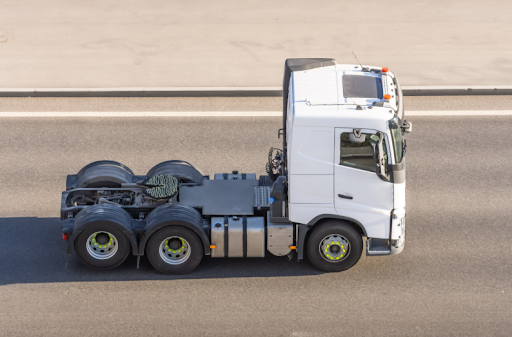
Bobtailing can cause a truck accident because a semi-truck operating without a trailer handles and brakes differently than one pulling a loaded trailer. Without the trailer’s weight over the rear axles, the truck may have reduced traction, increasing the risk of skidding or losing control during sudden stops, sharp turns, or slippery road conditions.
Although a truck without a trailer may appear less dangerous than a fully loaded tractor-trailer, it can still cause serious injuries in a collision. Understanding how bobtailing affects a truck’s handling can help injured drivers determine what contributed to an accident. A Georgia truck accident lawyer can investigate whether driver negligence, improper maintenance, or other factors played a role.
What Does Bobtailing Mean in Trucking?
Bobtailing occurs when a semi-truck tractor operates without an attached trailer. A driver may be traveling to pick up a load, returning to a terminal after making a delivery, or heading to a repair facility.
A bobtail truck still has a heavy cab, a powerful engine, and commercial braking equipment. What changes is how the vehicle’s weight is distributed across its axles once the trailer is removed.
For example, a truck driver may deliver a trailer to a distribution center near Atlanta and then drive the tractor alone to another location. During that trip, the tractor is operating in a bobtail configuration.
Bobtailing differs from deadheading, which generally involves driving a truck with an empty trailer attached. Both situations involve little or no cargo, but the vehicles handle differently because the trailer remains connected during deadheading.
This distinction matters when investigating an accident. Whether a trailer was attached may affect the analysis of braking, traction, and the driver’s ability to maintain control.
Why Is Bobtailing Dangerous?
Driving a semi-truck without a trailer changes how the vehicle responds to braking, acceleration, and steering. These differences can increase accident risks when drivers fail to adjust their speed or driving habits.
Reduced Traction on the Rear Wheels
A tractor’s rear drive axles normally support part of the trailer’s weight when pulling a loaded trailer. When the trailer is disconnected, that additional weight is removed.
With less weight pressing down on the drive tires, the tractor may have reduced traction under certain conditions. This can make it easier for the rear wheels to lose grip during acceleration, braking, or turning.
For example, a truck driver traveling along Interstate 75 near Macon during heavy rain may encounter slowing traffic. If the driver brakes suddenly, reduced rear-wheel traction could contribute to a skid. A Macon truck accident lawyer can help injured motorists understand their legal options.
Changes in Braking Performance
A bobtail truck does not necessarily stop more quickly simply because it weighs less than a loaded tractor-trailer.
Commercial truck braking systems are designed to work under different loading conditions. When a tractor travels without a trailer, the reduced weight over its rear axles can affect how effectively the tires transfer braking force to the road.
Depending on the truck’s equipment and road conditions, excessive braking force may cause the rear wheels to lose traction.
Anti-lock braking systems can help drivers maintain control during hard braking, but they cannot eliminate every risk associated with reduced traction or unsafe driving.
Increased Risk of Skidding and Loss of Control
A bobtail truck may become difficult to control when a driver makes an abrupt steering movement or brakes aggressively, particularly on wet or slippery pavement.
Sudden stops, sharp turns, rapid lane changes, and excessive speed can all increase the risk of losing control. Road conditions and vehicle maintenance may also contribute.
For example, a bobtail truck approaching stopped traffic on Interstate 285 around Atlanta could begin to skid if the driver brakes too aggressively for the available traction. The tractor might then enter another lane or strike a nearby vehicle.
The absence of a trailer does not automatically make a truck unsafe. The danger depends on how the driver operates the vehicle and whether its mechanical condition allows for safe travel.
What Types of Accidents Can Bobtail Trucks Cause?
Bobtail trucks can be involved in many of the same collisions as other commercial vehicles. Still, changes in traction, braking, and weight distribution may contribute to certain accident scenarios.
Rear-End Collisions
A rear-end accident may occur when a bobtail truck driver follows another vehicle too closely or fails to adjust speed for traffic conditions.
If the driver cannot stop safely, the tractor may strike the vehicle ahead. These collisions can cause serious injuries, particularly when a commercial tractor hits a smaller passenger vehicle.
Skidding and Loss-of-Control Accidents
A traditional jackknife accident occurs when a tractor and its attached trailer fold toward each other at an angle.
Because a bobtail truck has no attached trailer, it cannot experience a conventional tractor-trailer jackknife. However, the tractor can still skid, rotate, or lose directional control.
Intersection and Turning Accidents
Bobtail trucks may also be involved in collisions at intersections, highway ramps, and other locations where drivers must slow down or change direction.
A driver who turns too quickly or brakes while turning may lose traction, especially on wet pavement. Depending on the circumstances, the tractor could strike another vehicle, leave its lane, or collide with a roadside object.
How Can Driver Negligence Contribute to a Bobtail Truck Accident?
Bobtailing is not inherently negligent. Truck drivers regularly operate tractors without trailers as part of normal commercial transportation. However, they must adjust their driving to account for the vehicle’s handling characteristics.
Negligent conduct may include speeding, following too closely, distracted driving, unsafe lane changes, or failing to reduce speed during poor weather.
For example, a truck driver traveling along Interstate 20 near Augusta may encounter slowing traffic. If the driver is distracted and reacts too late, reduced rear-wheel traction could make it more difficult to maintain control. An Augusta truck accident lawyer can investigate whether negligent driving contributed to the accident.
An investigation would need to determine whether the driver’s actions, the truck’s condition, or another factor contributed to the collision.
Who May Be Liable for a Bobtail Truck Accident in Georgia?
Responsibility for a bobtail truck accident depends on who caused the collision and whether the driver was operating the vehicle for work-related purposes.
The Truck Driver
A truck driver may be liable when negligent driving contributes to an accident. Excessive speed, distracted driving, unsafe following distances, and failure to adjust to road conditions may support a negligence claim.
Police reports, witness statements, vehicle data, and available camera footage can help establish the driver’s actions before the collision.
The Trucking Company
A trucking company may also be responsible when its employee causes an accident while acting within the scope of employment.
For example, a driver returning to a company terminal after dropping off a trailer may still be performing work-related duties. If that driver negligently causes a crash, the employer may face liability under applicable Georgia law.
A trucking company may also face claims based on its own conduct, such as negligent vehicle maintenance, when the evidence supports those allegations.
Other Potentially Responsible Parties
Some accidents involve mechanical problems or other factors beyond the driver’s immediate actions.
A maintenance contractor may have performed faulty repairs, or a defective vehicle component may have contributed to the collision. In those circumstances, additional parties may bear responsibility.
What Evidence Matters After a Bobtail Truck Accident?
Determining whether the truck was operating without a trailer is an important starting point, but it does not explain why the collision occurred.
Investigators may examine several types of evidence:
- Photographs and video: Images showing the tractor, roadway, vehicle damage, and whether a trailer was attached.
- Electronic vehicle data: Available information about speed, braking activity, and vehicle operation before the collision.
- Driver and dispatch records: Documents explaining where the driver was traveling and whether the trip involved company business.
- Maintenance records: Information about tire condition, braking systems, inspections, and repairs.
- Witness statements: Accounts describing the truck’s movements before the accident.
- Crash reconstruction evidence: Physical evidence used to analyze how the vehicles moved and collided.
Not every truck records the same information, and some electronic data may be overwritten. Identifying and preserving relevant evidence early can help establish what happened.
Medical records, repair estimates, and documentation of missed work may also be important when evaluating the injuries and financial losses caused by the collision.
What Should You Do After an Accident With a Bobtail Truck?
After a collision involving a bobtail truck, your first priority should be your health and safety. Seek medical attention for injuries and report the accident to law enforcement.
If it is safe to do so, photograph the accident scene, vehicle damage, road conditions, and the truck itself. Images of the tractor’s rear coupling area may help establish that no trailer was attached.
You should also obtain information identifying the truck driver, trucking company, and applicable insurance coverage. Keep copies of medical records, repair estimates, photographs, and communications related to the accident.
Speaking with a Georgia truck accident lawyer can help you understand what evidence may be needed and whether you have grounds for a personal injury claim.
What Compensation May Be Available After a Bobtail Truck Accident?
People injured because of another party’s negligence in a Georgia truck accident may be entitled to pursue compensation for their losses. A Georgia personal injury lawyer can review the circumstances of the collision and explain the types of damages that may be available.
Depending on the circumstances, damages may include medical expenses, future medical treatment, lost wages, reduced earning capacity, pain and suffering, and other legally recognized losses.
Georgia follows a modified comparative negligence rule under O.C.G.A. § 51-12-33. Generally, an injured person found 50% or more responsible for their injury cannot recover damages under that statute. If their share of fault is less than 50%, their recoverable damages may be reduced proportionally.
Most Georgia personal injury claims must be filed within two years from the date of injury (O.C.G.A. § 9-3-33), but some cases may involve different rules or shorter notice requirements. Confirm your deadline with an attorney as soon as possible.
Talk to Seay/Felton About a Georgia Bobtail Truck Accident
A collision involving a bobtail truck may raise questions about braking performance, driver conduct, vehicle maintenance, and trucking company responsibility.
At Seay/Felton LLC Trial Lawyers, we help injured people and families understand their legal options after serious truck accidents. Our team can review the circumstances of a collision, investigate potential negligence, and explain the process of pursuing compensation under Georgia law.
If you or a loved one was injured in a bobtail truck accident, contact Seay/Felton LLC Trial Lawyers to discuss your situation and learn how we may be able to help.
Frequently Asked Questions
1. Is Bobtailing Illegal?
No. Driving a semi-truck tractor without a trailer is generally legal. However, drivers and trucking companies must comply with applicable traffic laws and commercial vehicle safety requirements.
2. Is a Bobtail Truck Harder to Stop?
It can be. A bobtail truck may have different braking and traction characteristics than a tractor pulling a trailer. Whether it is harder to stop depends on the vehicle’s braking system, speed, tire condition, road surface, and other factors. A lighter vehicle does not automatically have a shorter stopping distance in every situation.
3. Can a Bobtail Truck Cause a Serious Accident?
Yes. Even without a trailer, a commercial tractor is a substantial vehicle capable of causing serious injuries. The severity of a collision depends on factors such as vehicle speed, impact location, and the circumstances of the crash.
4. Does Bobtail Insurance Cover Every Accident?
No. Bobtail insurance does not automatically cover every accident involving a tractor without a trailer. Coverage depends on the policy’s terms, exclusions, and the circumstances of the trip. Bobtail coverage and non-trucking liability coverage are sometimes confused, but they are not necessarily interchangeable, and whether the driver was operating for business purposes may affect which policy applies.