
How Long Does It Take to Heal Severe Road Rash After a Motorcycle Accident?
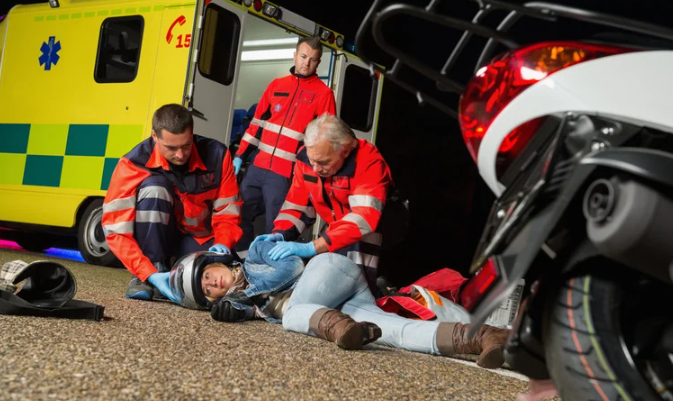
Motorcycle accidents frequently cause far graver injuries than car crashes. Among the most painful and striking for riders is road rash. Though it might seem like a scrape, severe cases tear into deep tissue, demand lengthy healing, and often leave permanent scars.
If you or a loved one dealt with road rash from a motorcycle wreck, it’s natural to ask: how long does severe road rash take to heal? It hinges on injury depth, promptness of care, and any setbacks during recovery.
This blog covers the typical healing timeline for road rash after a motorcycle accident, standard treatments, and factors that speed up or stall progress. If you or your loved involved in a motorcycle accident, contact our accident lawyers today and make sure to seek medical attention to avoid worsening the injuries.
What is a Road Rash?
Road rash is a friction injury that occurs when skin scrapes against pavement or another rough surface during a motorcycle crash. Instead of a clean cut, road rash removes layers of skin, sometimes exposing muscle, fat, or even bone in severe cases.
Motorcycle road rash is especially common because riders lack the physical protection that cars provide. When a rider is thrown from the bike, sliding across asphalt can cause extensive damage in just seconds.
Levels of Road Rash Severity
Road rash isn’t one-size-fits-all. Doctors break it down into three main levels, each with its own healing timeline and challenges.
First-Degree Road Rash
- Hits just the outer skin layer
- Brings redness, soreness, and minor abrasions like a really bad scrape
Healing time: With simple wound care, it usually clears up in 1 to 2 weeks.
Second-Degree Road Rash
- Damages layers under the surface
- Often involves oozing, bleeding, swelling, intense pain, and greater infection risk
Healing time: Expect 2 to 4 weeks after a motorcycle crash, though infections can stretch it out longer.
Third-Degree (Severe) Road Rash
- Strips away all skin layers entirely
- May expose muscle, fat, or even bone, frequently needing surgery
Healing time: This can drag on for months, often calling for skin grafts or reconstructive work.
How Long Does Severe Road Rash Take to Heal?
There is no single answer that fits everyone, but severe road rash recovery usually follows a long and staged process.
Typical Healing Timeline for Severe Road Rash
- First 1–2 weeks: Emergency treatment, wound cleaning, pain management, and infection prevention.
- Weeks 3–6: New skin begins forming, swelling reduces, and wounds may partially close. Dressings are still required.
- 2–4 months: Skin continues strengthening. Physical therapy may be needed if joints or muscles are involved.
- 6 months to a year or more: Scar tissue matures. Some people require additional procedures to improve mobility or appearance.
Because of this extended timeline, motorcycle accident road rash healing is often more demanding than people expect.
Factors That Affect Road Rash Healing Time
Several factors influence how long it takes to heal severe road rash after a motorcycle accident.
Depth and Size of the Injury
Bigger wounds that dig deeper into the skin naturally heal more slowly and invite more complications, like infections or poor closure.
Location on the Body
Rash on high-movement spots like elbows, knees, or shoulders takes longer because constant bending pulls at the healing tissue.
Speed of Medical Treatment
Getting quick, thorough cleaning and care right away can shave weeks off recovery and cut infection risks sharply.
Infection
Nothing derails road rash healing like an infection; even a minor one can tack on weeks of extra recovery time.
Overall Health
Issues like diabetes, weak circulation, or smoking slow everything down by hampering your body’s natural healing process.
Treatment for Severe Road Rash
Proper treatment plays a major role in recovery and scarring.
Emergency Care
Doctors treat severe road rash like the serious trauma it is. First steps often cover:
- Picking out embedded gravel, dirt, or road debris
- Deep cleaning to flush out contaminants
- Antibiotics to head off infection
- Pain relief to make it bearable
Ongoing Wound Care
As things progress, you’ll likely handle:
- Daily dressing changes
- Moisturizing or medicated bandages
- Topical ointments
- Regular check-ins to track healing
Skin Grafts and Surgery
When skin can’t regrow on its own, options include:
- Grafts from healthy skin elsewhere on your body
- Reconstructive procedures to improve mobility or looks
These extend the timeline but pave the way for better long-term results.
Managing Pain During Recovery
Severe motorcycle road rash can be extremely painful, especially during the first few weeks. Pain management may include:
- Strong prescription meds at first
- Anti-inflammatories for swelling
- Physical therapy, once it's safe
- Gentle movements to avoid tearing open the wound
Pain eases over time, though dressing changes or activity can spark flare-ups.
Risk of Infection and Complications
Road rash picks up asphalt grit and bacteria that burrow deep, making infection a real threat.
Watch for:
- Growing redness or heat around the wound
- Pus or bad smells
- Fever
- Pain that ramps up
Catching it early prevents a setback that could mean hospital time and much longer healing.
Scarring After Severe Road Rash
Scarring often follows motorcycle road rash, particularly when it rips into deeper skin layers.
Types of Scars
- Flat scars
- Raised scars
- Tight scar tissue that limits movement
Scar Treatment Options
- Silicone sheets or gels
- Massage therapy
- Steroid injections
- Laser treatments
- Surgical scar revision in severe cases
Scar care usually starts months after the wound heals and may last a year or longer.
Emotional Impact of Severe Road Rash
Healing severe road rash isn’t just physical. Many riders experience emotional challenges, including:
- Anxiety about riding again
- Frustration with long recovery
- Self-consciousness about scars
- Sleep problems due to pain
Addressing mental health during recovery is just as important as physical healing.
When Can You Return to Normal Activities?
Returning to work, riding, or physical activity depends on:
- Wound closure
- Pain levels
- Mobility
- Doctor clearance
Some people return to light activities within weeks, while others need months before resuming normal routines.
Trying to rush recovery can reopen wounds and extend healing time.
Why Severe Road Rash Matters so Much in Motorcycle Accident Claims?
Severe road rash is way more than just surface scrapes. In motorcycle crashes, it usually means deep skin damage, long-lasting pain, and a drawn-out recovery that throws off your daily life and work.
These injuries can bring on:
- Ongoing medical care, like wound treatments and check-up visits
- Time off work or restrictions on what you can do on the job
- Permanent scarring
- Limited movement or ongoing discomfort, particularly around joints
Legally speaking, these elements really highlight the injury’s full impact. Road rash from bike accidents often factors into major injury claims since it can cause enduring physical and financial struggles.
Medical records, photos, and logs of your recovery make it clear just how serious the injury was and how it messed with your everyday routine. Insurers look closely at treatment duration and any need for continued care. Lasting scars or mobility issues can also influence claim valuations.
If severe road rash came from your motorcycle accident, Seay/Felton LLC Trial Lawyers can guide you on your options. Our motorcycle accident attorneys serve injured riders throughout Georgia and can assess how your injury and recovery might play into a claim.
How Protective Gear Can Reduce Severe Scarring?
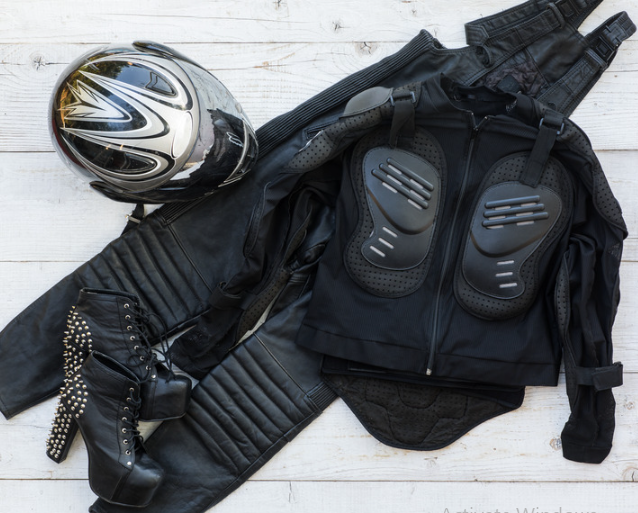
Wearing the right motorcycle protective gear can make a real difference in minimizing severe scarring from road rash. While no gear prevents every injury outright, it often keeps skin damage much shallower during a crash slide across rough pavement.
Riders without protection endure brutal pavement friction that grinds away multiple skin layers in seconds. Deeper abrasions not only heal slowly but also invite stubborn infections and leave prominent, permanent scars that affect confidence and comfort. Protective gear absorbs and deflects some of that harsh contact before it fully reaches your skin.
Gear that helps cut scarring risk includes:
- Abrasion-resistant jackets and pants, which limit direct skin-to-pavement contact
- Gloves, which protect hands and prevent deep gashes to fingers and palms
- Boots, which shield ankles and feet from scraping injuries
- Reinforced padding, which reduces both friction damage and blunt force trauma
Superficial road rash lets your body heal more smoothly and efficiently. Shallow wounds seldom need surgery and typically fade into smaller, less visible scars over time. That’s how gear shapes not only the injury’s initial severity but also the visible scars you carry long-term.
Talk to a Motorcycle Accident Lawyer About Your Road Rash Injury
Severe road rash can change your life for months or even years. Understanding the healing process helps you prepare, but it does not reduce the challenges you may face along the way.
If your road rash was caused by a motorcycle accident, Seay/Felton LLC Trial Lawyers helps injured riders across Georgia understand their legal options. Our team knows how serious road rash injuries can be and how long recovery may take.
We can review your situation, explain how your injury may be evaluated, and help you determine the next steps based on your recovery and medical needs.
Contact Seay/Felton LLC Trial Lawyers today to schedule a consultation and discuss your motorcycle accident injury.