

When considering relocation or travel, safety is often a top priority for individuals and families alike. Georgia, known for its warm climate, vibrant culture, and rich history, is no exception. However, like any state, certain cities face higher crime rates and safety concerns. This article will explore the most dangerous cities in Georgia, providing valuable insights into crime statistics, safety tips, and how to protect yourself and your loved ones. Additionally, we will discuss the implications of personal injury law and how Seay/Felton LLC Trial Lawyers can assist victims of crime-related incidents.
The most dangerous cities in Georgia are often identified by comparing reported violent crime and property crime rates. Atlanta, College Park, East Point, Macon, Brunswick, Griffin, Douglasville, Hapeville, Albany, and Jesup are among the cities frequently discussed in crime and safety reports. However, rankings change depending on the reporting year, crime category, population, and data source.
Crime statistics can help residents and visitors understand potential risks, but they do not tell the whole story. Safety conditions can vary significantly between neighborhoods, businesses, apartment complexes, and public spaces within the same city.
For people injured in violent attacks, robberies, or other preventable incidents, understanding the circumstances surrounding an injury is also important. In some situations, negligent security or unsafe property conditions may contribute to an otherwise preventable injury.
Understanding Crime Rates in Georgia
Georgia’s crime rates vary significantly from one city to another. While some areas are relatively safe, others struggle with higher levels of violence and property crime. Understanding the types of crimes prevalent in these areas is essential for gauging safety levels.
Crime rates are generally expressed as the number of reported incidents per 100,000 residents. This allows researchers to compare communities of different sizes, although population differences, reporting practices, and the presence of commuters or tourists can influence the results.
Readers looking for updated information can consult the Georgia Bureau of Investigation and the FBI Crime Data Explorer for available crime reports. Because agencies may report information differently, comparisons should use the same reporting year and crime categories whenever possible.
Types of Crimes in Georgia
- Violent Crimes: This category includes murder, aggravated assault, robbery, and sexual offenses. Violent crimes often receive more media attention due to their severity and impact on communities.
- Property Crimes: These involve theft, burglary, motor vehicle theft, and vandalism. Property crimes can affect anyone and may lead to significant financial losses.
When assessing safety, it’s crucial to consider both violent and property crime rates. With this in mind, let’s examine the cities that rank among the most dangerous in Georgia.
1. College Park

College Park, located just south of Atlanta, is often cited as one of the most dangerous cities in Georgia. Its location near Hartsfield-Jackson Atlanta International Airport brings together residential neighborhoods, hotels, transportation routes, and commercial activity. Reported crime patterns should be evaluated using current local data.
Crime reports involving College Park should distinguish violent offenses, such as robbery and aggravated assault, from property offenses, such as theft and vehicle break-ins. The frequency of each category can change from year to year.
Community Initiatives: Despite its reputation, College Park is undergoing revitalization efforts aimed at improving community safety and reducing crime.
Safety concerns may be especially relevant for people visiting hotels, restaurants, parking facilities, and apartment communities. Under Georgia premises liability law, property owners may have legal responsibilities to take reasonable precautions when particular criminal risks are foreseeable.
If someone is injured during a robbery or assault at a College Park business, a Georgia negligent security lawyer can examine whether the business had notice of similar incidents and whether reasonable security measures were in place.
2. East Point
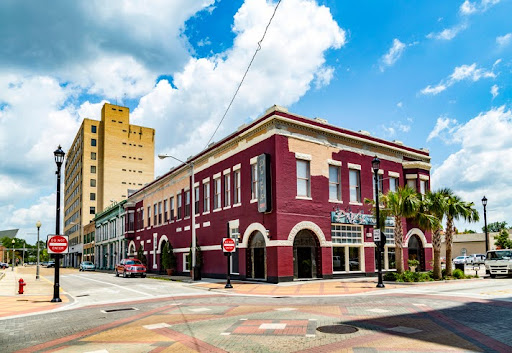
East Point, adjacent to College Park, experiences similar crime issues, including concerns involving violent offenses and property crime. However, crime levels vary by neighborhood and reporting period.
Crime Overview
Crime reports may include robberies, aggravated assaults, burglaries, and vehicle thefts. Residents can review available local law enforcement reports to better understand recent trends rather than relying on older citywide rankings.
Protection Tips: Residents are encouraged to stay aware of their surroundings, particularly at night.
East Point residents and visitors should also pay attention to lighting, building access, and security conditions around apartment complexes, parking lots, and businesses. These conditions can become relevant when investigating an injury caused by criminal activity.
For example, if an apartment resident is attacked in a common area after repeated reports of similar incidents, questions may arise about whether the property owner took reasonable steps to address a foreseeable danger. Our premises liability and negligent security legal team can help evaluate those questions.
3. Brunswick

Brunswick, situated on the coast, offers beautiful scenery but also faces safety challenges. Like other Georgia communities, Brunswick experiences both violent and property offenses, although reported crime patterns vary over time.
Tourist Safety: Visitors should be mindful of their belongings, especially in crowded areas, to avoid theft.
Visitors may also encounter safety concerns in hotel parking areas, restaurants, shopping centers, and other commercial properties. When an assault or robbery causes injuries, the circumstances surrounding the incident may raise questions about property security.
For example, a hotel guest injured during an attack in a parking area may want to know whether the property had a history of similar incidents or whether security measures were reasonably maintained. A negligent security claim may be possible when the evidence supports the necessary legal elements. People in coastal Georgia can learn more about how these claims work from our Savannah negligent security lawyers.
4. Macon

Macon, a city rich in history, also grapples with crime, particularly violent offenses. Macon-Bibb County has experienced concerns involving violent crime, including shootings and aggravated assaults. However, current crime rates should be evaluated using comparable data for the consolidated Macon-Bibb jurisdiction rather than relying on older figures that may use different geographic boundaries.
Local Challenges: Violent incidents, property crime, and neighborhood safety remain important concerns for residents and local officials.
Businesses, apartment communities, and commercial property owners may face questions about security when criminal incidents occur on their premises. Relevant evidence may include prior police reports, surveillance footage, lighting conditions, and complaints about earlier incidents.
For individuals injured during a preventable attack, a Georgia personal injury claim involving negligent security may be worth examining when there is evidence that a property owner’s failure to take reasonable precautions contributed to the harm. Our Macon negligent security lawyers work from our Mulberry Street office, and we also represent people injured in nearby Warner Robins.
9. Albany
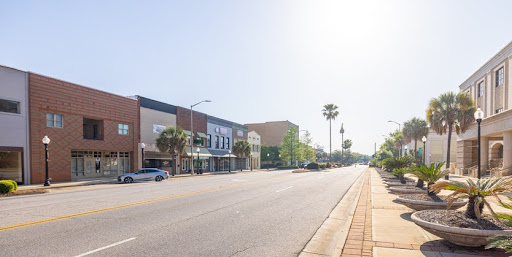
Albany, known for its historical significance, has faced concerns involving violent crime, but its current position among Georgia cities depends on the year, offenses, and population figures used in the comparison.
Challenges Facing Albany: Community safety efforts may involve law enforcement, neighborhood organizations, businesses, and property owners working to address local concerns.
People injured in shootings, robberies, or assaults may have legal questions that extend beyond the criminal investigation. In certain circumstances, a business or property owner may face civil liability if a failure to address foreseeable criminal activity contributed to an injury.
Our negligent security attorneys can investigate the circumstances of an incident and evaluate whether a civil claim against a responsible property owner may be appropriate.
6. Griffin

Griffin is another city with concerning crime statistics, although current violent crime and property crime figures should be confirmed through recent law enforcement reporting.
Community Safety: Residents often express concern about property crimes and the need for improved community policing.
Safety concerns can extend beyond residential streets to convenience stores, apartment complexes, restaurants, and parking facilities. Whether a property owner may be responsible for an injury caused by criminal activity depends on the specific facts, including the foreseeability of the incident and the precautions that were reasonable under the circumstances.
Legal Support: Understanding how to navigate personal injury claims is essential for Griffin residents, especially when it comes to accidents and negligent security incidents.
An injured person may need evidence such as police reports, witness statements, photographs, and surveillance recordings to evaluate a possible claim. Preserving this information promptly can be important because video footage may be overwritten and witnesses may become difficult to locate.
7. Douglasville
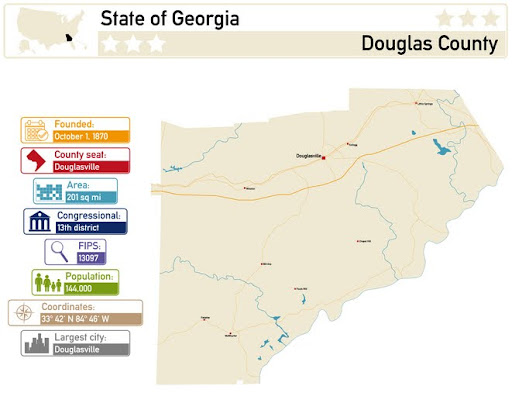
With a growing population, Douglasville has also seen concerns about violent crime and property offenses. However, population growth alone does not establish that crime rates have increased.
Current Statistics: Douglasville’s current crime rates should be checked against recent reports from local law enforcement and statewide crime reporting resources.
The city includes residential neighborhoods, retail areas, restaurants, and commercial properties where residents and visitors may encounter different safety conditions.
Legal Action: In cases of personal injury due to criminal activity, it’s essential to seek legal help to understand whether another party may have legal responsibility for the injuries.
For example, an assault in a poorly maintained parking lot may raise questions about prior criminal activity, lighting, surveillance, and whether the property owner had an opportunity to address known dangers. A Georgia negligent security attorney can review the available evidence and explain potential legal options.
8. Hapeville

Hapeville, while smaller than other cities on this list, has faced challenges with crime, particularly property crimes.
Because Hapeville has a relatively small residential population and substantial commercial activity near the airport, crime rates calculated per 100,000 residents should be interpreted carefully. Reported incidents involving commuters, employees, and visitors may affect comparisons with larger residential cities.
Community Response: The local government has been working on initiatives to reduce crime and improve community safety.
Hotels, parking facilities, restaurants, and commercial buildings may encounter security concerns involving theft, robbery, or assault. When someone is seriously injured during a criminal incident, it may be important to investigate whether reasonable safety measures were present.
A premises liability lawyer handling negligent security claims can help assess whether a property owner may have failed to address a foreseeable risk.
9. Jesup
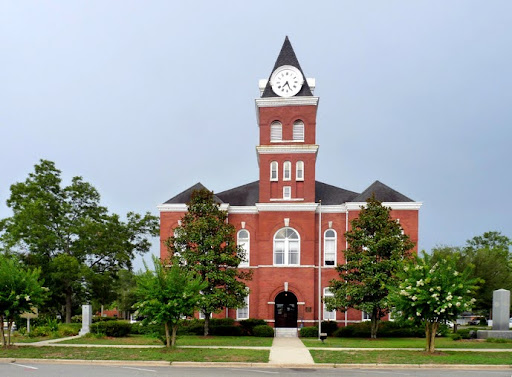
Jesup rounds out our list with its own reported crime and safety concerns. Because Jesup has a smaller population than many other cities discussed here, changes in the number of reported incidents can have a substantial effect on its calculated crime rate.
Local Conditions: As with other communities, safety conditions should be evaluated using current local crime reports and information about specific neighborhoods or locations.
Residents and visitors should remain aware of their surroundings in public areas, commercial properties, and parking facilities. When someone suffers injuries during a criminal attack, the circumstances may warrant a review of the property’s security conditions.
For example, a robbery involving serious injuries at a business may raise questions about prior incidents, available surveillance, and whether the owner took reasonable steps to address known dangers. These issues may be relevant to a Georgia negligent security case.
10. Atlanta

As Georgia’s capital and largest city, Atlanta is a cultural and economic hub. It has also experienced serious violent crime and property crime concerns, and reported crime patterns differ substantially from one neighborhood to the next.
Safety Concerns: Crime is often concentrated in specific neighborhoods, particularly in the southwest and south sides of the city. Residents should be vigilant, especially in less populated areas at night.
Crime risks may also arise around apartment complexes, parking garages, shopping centers, hotels, and other commercial properties. In some cases, inadequate lighting, broken security equipment, or a failure to address known criminal activity may contribute to unsafe conditions.
Legal Assistance: Victims of crime in Atlanta may find themselves in need of legal assistance. Whether involved in a car accident due to reckless driving or a premises liability case due to inadequate security, Seay/Felton LLC Trial Lawyers are here to help navigate the complexities of personal injury law.
For example, someone assaulted in an Atlanta apartment parking lot may have questions about whether the property owner knew about previous violent incidents and took reasonable precautions. Our Atlanta negligent security lawyers can review the circumstances to determine whether a premises liability claim may be available. We also handle these claims in College Park, East Point, Hapeville, and other Metro Atlanta communities.
Not every crime creates a valid claim against a property owner. Liability depends on factors such as foreseeability, the owner’s legal duties, the security measures in place, and whether an alleged failure contributed to the injury.
What Makes a City Dangerous? Factors Beyond Crime Statistics
Crime rates are useful indicators, but they do not provide a complete picture of public safety. Two cities with similar reported crime rates may have very different patterns of criminal activity, neighborhood conditions, and risks to residents.
Several factors can influence how crime statistics should be interpreted.
Violent Crime Versus Property Crime
A city with frequent thefts or vehicle break-ins may have a high overall crime rate without having the same level of violent crime as another community. For someone evaluating personal safety, understanding the difference between property offenses and crimes involving physical harm is important.
Population Size and Daily Visitors
Crime rates are commonly calculated using residential population figures. However, cities near major airports, shopping destinations, and transportation centers may have large numbers of daily visitors who are not included in those population totals.
This can complicate comparisons between smaller commercial cities and larger residential communities.
Neighborhood-Level Differences
Crime does not occur evenly throughout a city. Some neighborhoods may experience recurring incidents, while nearby areas have relatively few reported offenses. Reviewing available neighborhood-level information may provide a more useful understanding of local risks than relying on a citywide ranking alone.
Security Conditions at Individual Properties
The safety of an apartment complex, hotel, shopping center, or parking garage may depend partly on how the property is managed. Broken gates, inadequate lighting, unsecured entrances, and a history of similar incidents may become relevant when evaluating whether an injury could have been prevented.
These factors do not automatically establish negligence, but they may warrant investigation when a violent crime results in injuries.
Can You Sue a Property Owner After a Crime in Georgia?
Yes, in some circumstances, a person injured during a robbery, shooting, assault, or other criminal attack may have grounds to bring a negligent security lawsuit against a Georgia property owner or another responsible party. However, the fact that a crime occurred on someone’s property does not automatically make the owner legally responsible.
Georgia law generally requires property owners and occupiers to exercise ordinary care to keep premises and approaches safe for lawful visitors who qualify as invitees. Under O.C.G.A. § 51-3-1, the applicable duty depends on the visitor’s legal status and the circumstances.
In negligent security cases involving third-party criminal acts, important questions may include whether the crime was reasonably foreseeable, whether the defendant failed to exercise the care required by law, and whether that failure contributed to the injuries.
Potential examples include an apartment complex with repeated reports of violent attacks, a parking garage with known security problems, or a business that allegedly failed to respond reasonably to a documented pattern of similar criminal activity.
At Seay/Felton LLC Trial Lawyers, we help injured individuals understand whether the circumstances surrounding a violent incident may support a negligent security claim.
Common Locations Where Negligent Security Injuries Occur in Georgia
Violent crimes can happen in many settings, but certain property conditions may become especially important when determining whether a business or property owner had a legal duty to take additional precautions.
Apartment Complexes and Rental Properties
Apartment residents and visitors may face safety concerns involving unsecured entrances, broken access gates, poorly lit common areas, and recurring criminal activity. When a serious assault occurs, prior complaints, maintenance records, and previous incidents may help establish what the property owner knew about potential dangers.
Hotels and Motels
Hotel guests may encounter security concerns in hallways, parking areas, elevators, and entrances. Depending on the circumstances, relevant evidence may include surveillance recordings, access-control records, incident reports, and previous complaints.
Shopping Centers and Parking Lots
Parking lots and garages may be locations for robberies, carjackings, and assaults. Poor lighting, limited visibility, or a documented history of similar incidents may be relevant to an investigation, although no single condition automatically establishes liability.
Restaurants and Fast-Food Locations
Restaurants and late-night dining establishments may experience criminal incidents near entrances, drive-through lanes, and parking areas. A negligent security investigation may examine previous incidents, employee reports, available surveillance, and the measures taken to address known risks.
Our Georgia negligent security lawyers can evaluate whether a property owner or business may bear responsibility for injuries connected to foreseeable criminal activity.
What Should You Do After Being Injured in a Violent Crime in Georgia?
If you are injured during a robbery, assault, shooting, or another violent incident, protecting your health and preserving available evidence should be priorities. The following steps may help protect your well-being and any potential legal claim.
- Get to safety and seek medical attention. If you are in immediate danger, call 911. Prompt medical care can help identify injuries and create records of the treatment you receive.
- Report the incident to law enforcement. A police report may document important information about the location, circumstances, witnesses, and investigation.
- Notify the property owner or manager. If the incident occurred at a business, apartment complex, hotel, or another managed property, report what happened and request a copy of any written incident report.
- Preserve available evidence. Keep photographs, medical records, receipts, witness contact information, and communications related to the incident. Surveillance recordings may need to be requested promptly before they are overwritten.
- Speak with a Georgia personal injury lawyer. An attorney can review whether another party may have legal responsibility for the injuries, explain applicable deadlines, and help identify evidence needed to evaluate the claim.
A criminal case and a civil personal injury claim serve different purposes. Criminal proceedings address alleged violations of criminal law, while a civil lawsuit may allow an injured person to seek compensation from a legally responsible party. A civil claim may sometimes proceed even when no criminal conviction results.
What Compensation May Be Available After a Negligent Security Incident?
If a negligent security claim is supported by the evidence, an injured person may be able to pursue compensation for losses caused by the incident. The types and amounts of damages depend on the circumstances of the case and applicable Georgia law.
Potential damages may include medical expenses, future treatment costs, lost wages, reduced earning capacity, and physical pain and suffering. Emotional harm and other non-economic losses may also be considered when legally recoverable and supported by the evidence.
When a fatal incident occurs, eligible surviving family members or other authorized parties may have grounds to pursue a wrongful death claim under Georgia law. The available claims and recoverable damages depend on the circumstances.
No particular settlement or court award is guaranteed. Establishing liability, causation, and damages requires an examination of the evidence.
Staying Safe in Georgia
While certain cities in Georgia present safety challenges, it is crucial for residents and visitors to remain informed and aware. Understanding crime rates and taking proactive measures can significantly reduce the likelihood of becoming a victim.
Reviewing current local crime reports, remaining aware of your surroundings, and paying attention to security conditions can help you make more informed decisions about where you live, work, and travel. No safety measure can eliminate every risk, and people who experience violent crime should not be blamed for another person’s actions.
When an injury occurs because of potentially unsafe property conditions, it may be important to investigate whether the owner or another party had a legal duty to address a foreseeable danger.
Injured in a Violent Crime? Contact Seay/Felton LLC Trial Lawyers
If you or someone you love suffered injuries during a robbery, shooting, assault, or another violent incident in Georgia, you may have questions about your legal options. In certain cases, a property owner’s failure to address foreseeable criminal activity may provide grounds for a negligent security claim.
At Seay/Felton LLC Trial Lawyers, we understand how a serious injury can affect your health, finances, and family. Our trial lawyers investigate the circumstances surrounding preventable injuries, examine available evidence, and help clients understand their rights under Georgia law.
Call Seay/Felton LLC at 404-902-6444 or contact us online to discuss your situation and learn whether a personal injury or negligent security claim may be available. You do not pay attorney fees unless we recover compensation for you.
Frequently Asked Questions About Dangerous Cities in Georgia
1. What Is the Most Dangerous City in Georgia?
There is no single city that consistently ranks as the most dangerous in Georgia across every crime category and reporting year. Rankings depend on whether they measure violent crime, property crime, total reported offenses, or another metric. Cities such as College Park, Atlanta, East Point, and Albany have appeared in discussions of crime concerns, but current rankings require verified, comparable data.
2. Is Atlanta One of the Most Dangerous Cities in Georgia?
Atlanta has experienced serious violent crime and property crime concerns, but its safety varies considerably by neighborhood and location. A citywide crime rate does not necessarily reflect the risk in every residential area, commercial district, or public space.
3. Are Smaller Georgia Cities More Dangerous Than Atlanta?
Some smaller cities may report higher per-capita crime rates than Atlanta during particular reporting periods. However, smaller populations and differences in reporting practices can make direct comparisons misleading. Crime categories, geographic boundaries, and reporting years should be consistent when comparing cities.
4. Can I Sue If I Am Robbed or Assaulted at a Georgia Business?
You may have a civil claim if a business or property owner failed to meet an applicable legal duty and that failure contributed to your injuries. Whether a claim is available depends on factors such as foreseeability, the property’s security conditions, and the circumstances of the attack.
5. Can an Apartment Complex Be Responsible for a Shooting or Assault?
An apartment complex may face liability in some circumstances when an attack was reasonably foreseeable and the property owner failed to exercise legally required care. Prior criminal incidents, complaints, maintenance records, and security conditions may be relevant, but liability is not automatic.
6. How Long Do I Have to File a Negligent Security Lawsuit in Georgia?
Georgia generally has a two-year statute of limitations for personal injury claims under O.C.G.A. § 9-3-33. However, exceptions and other rules may affect the deadline, including certain circumstances involving criminal proceedings or claims against government entities. Speaking with an attorney promptly can help clarify the deadline applicable to your situation.