
Top 7 Most Dangerous Roads and Intersections in Savannah for Drivers
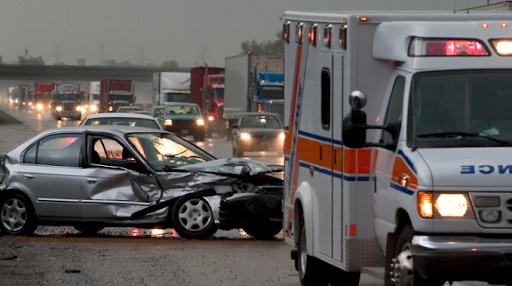
Savannah, Georgia’s with its historic architecture, makes it a destination worth visiting or living in. However, the streets pose serious risks to drivers, pedestrians, and cyclists alike. If you’ve been injured in one of Savannah’s high‑risk zones, you need an experienced car accident or truck accident attorney in Savannah to protect your rights.
Below, we identify the top seven most dangerous roads and intersections in Savannah, examine why they’re hazardous, and discuss what you can do if you’re involved in a wreck. Awareness and preparation can reduce your chances of a crash, and if the worst happens, you’ll know the right legal help to seek.
7 Most Dangerous Roads and Intersections
1. Abercorn Street & White Bluff Road
One of Savannah’s most notorious crash sites, the intersection of Abercorn Street and White Bluff Road, has been identified as the city’s most dangerous junction.
What makes it dangerous:
- Massive traffic volume with multiple turn lanes, merging traffic, and confusing lane changes.
- A high number of drive‑ins, fast food outlets, and shopping plazas causes frequent ingress/egress points.
- Pedestrian crossings and bicycle traffic make the environment even more hazardous.
- Drivers frequently run red lights, change lanes without signaling, or fail to yield.
2. Victory Drive & Skidaway Road
The intersection at Victory Drive and Skidaway Road is another major hazard zone. High‑speed traffic, multiple turning lanes, and insufficient pedestrian infrastructure contribute to its danger.
Key risk factors:
- Traffic flows from Thunderbolt over the bridge and funnels into this intersection, raising volume and speed.
- Multiple retail outlets cause sudden stops, lane switching, and unexpected pedestrian crossings.
- Sidewalks and crosswalks are limited, making pedestrian and cyclist accidents not uncommon.
3. Ogeechee Road & Chatham Parkway and I‑16 Interchange
Located at the junction of Ogeechee Road and Chatham Parkway (near the I‑16 interchange), this intersection sees high volumes of both passenger and heavy commercial vehicles.
Hazards on this stretch:
- Trucks entering and exiting industrial zones increase collision risk, especially with lane changes and large blind spots.
- High speeds and short merging or off‑ramp distances increase the risk of loss‑of‑control and underride crashes.
- Limited sight lines and heavy congestion during rush hours or port shipping seasons.
4. DeRenne Avenue (SR 21 Connector)
The DeRenne Avenue corridor (State Route 21 Connector) is one of Savannah’s most dangerous long stretches, particularly due to its heavy traffic, narrow lanes, and mixed residential/commercial usage.
What makes it risky:
- Sudden stops in heavy traffic occur as drivers access driveways, shopping centers, or side streets.
- Frequent lane changes and a high number of vehicle entries/exits.
- Poor visibility in certain segments and pedestrians crossing in uncontrolled ways.
5. Waters Avenue Corridor
Running through residential and commercial zones, the Waters Avenue corridor features frequent intersections, pedestrian activity, inconsistent speed limits, and high crash volume.
Danger features:
- Frequently changing zoning because of the presence of stores, schools, and residences all along the road.
- Cyclists and pedestrians share space with vehicles turning into multiple driveways.
- Speeding combined with sudden stops for traffic lights and driveways leads to rear‑end and left‑turn collisions.
6. Montgomery Street & West 37th Street
The intersection of Montgomery Street and West 37th Street, near Savannah’s historic district and mixed‑use areas, is another frequent crash zone.
Risk factors include:
- Narrow roads, frequent tourist traffic, and pedestrian crossings.
- Low visibility due to older infrastructure and nearby parked vehicles.
- Frequent sudden stops and turns are required as drivers navigate in and out of historic districts.
7. Abercorn Street (General Corridor & Other Intersections)
Beyond the specific intersection above, the Abercorn Street corridor is widely recognized as the city’s most dangerous traffic artery and one of the most crash‑prone roads in Savannah.
Highlights of the corridor’s danger:
- High traffic volume, many vehicle‑entry/exit points, multiple lanes, and high speeds.
- Complex merging, signal timing issues, and substantial pedestrian/bike traffic.
- Distracted driving and lane weaving at peak times greatly increase accident risk.
Why Dangerous Roads Lead to Legal Claims
Understanding which roads and intersections are hazardous is not just about staying safe, it’s also about recognizing when the negligence of others or road design issues may entitle you to legal compensation.
- Higher crash volume means more injuries, which leads to claims for medical costs, lost wages, and emotional impact.
- Commercial trucks and heavy vehicles on these roads drastically increase injury severity, where a truck accident attorney in Savannah is especially important.
- Poor road design, insufficient signage, inadequate lane markings and maintenance failures can shift liability from just a negligent driver to municipalities or government entities.
- Prompt legal action ensures preservation of evidence (surveillance video, black‑box data, maintenance logs) before it’s lost.
A truck or car accident lawyer in Savannah will assess collisions on these roads for factors like negligent driving, faulty roadway infrastructure or inadequate traffic control. They can help victims recover full damages for losses suffered from these dangerous intersections in Savannah.
What to Do if You’re Injured on One of These Roads or Intersections

If you’ve been injured, whether it’s a minor collision or a serious life‑altering crash on one of these high‑risk corridors in Savannah, here’s what to do:
- Seek immediate medical attention. Even seemingly minor injuries can develop into serious conditions later.
- Report the crash and obtain a police report. This helps establish fault and preserves critical evidence.
- Take photographs and document the scene. Capture vehicle damage, skid marks, signage, traffic signals, and roadway conditions.
- Collect contact information of witnesses. Bystanders often provide key testimony.
- Avoid giving recorded statements to insurers without legal counsel. Insurance companies often try to limit payouts.
- Contact a Savannah car accident lawyer or truck accident attorney in Savannah to help you start your claim.
How to Stay Safe When Driving on Savannah’s Most Dangerous Roads and Intersections
Driving in Savannah can be challenging, especially on roads and intersections known for high crash rates. These practical tips can help reduce your risk and keep you safer behind the wheel.
- Stay alert and minimize distractions: Keep your eyes on the road and hands on the wheel. Avoid texting, adjusting the radio, or using GPS while driving through busy areas like Abercorn Street or White Bluff Road.
- Avoid peak traffic hours: Try to drive during off-peak hours to avoid congestion and aggressive drivers, especially on I-16 and Truman Parkway.
- Slow down through intersections: Always approach intersections cautiously, even if you have the right of way. Areas like DeRenne Avenue and White Bluff Road are known for drivers running red lights.
- Use defensive driving techniques: Expect the unexpected from other drivers. Maintain a safe following distance, use your signals early, and be cautious on high-traffic roads like Bay Street or Victory Drive.
- Check blind spots and merging lanes carefully: When entering or exiting busy roads like Ogeechee Road or Abercorn Street, always double-check your blind spots, especially near large trucks.
- Watch for pedestrians and cyclists: Intersections near downtown Savannah are often busy with foot and bike traffic. Always yield to pedestrians and be aware of bike lanes.
- Adjust for weather conditions: Savannah’s roads can be slippery during rain. Reduce your speed and turn on your headlights when driving in bad weather.
- Don’t rush yellow lights: Yellow lights are not an invitation to speed up. Slow down and stop safely to avoid side-impact crashes, which are common at major intersections.
- Know the roads you're driving on: If you're unfamiliar with Savannah’s layout, use a GPS with voice navigation to avoid last-minute lane changes or missed turns.
- Report dangerous road conditions: Call local authorities if you encounter potholes, broken traffic lights, or debris. Reporting these hazards can help prevent future accidents.
Even the most cautious drivers can’t control others on the road. If you’re ever injured in a crash despite taking precautions, speak with a Savannah car accident lawyer to understand your legal options.
How a Savannah Traffic Accident Becomes a Legal Case
When you work with a professional team, your case becomes more than just a report of a crash; it becomes a structured claim for compensation. Here’s how it usually unfolds:
- Investigation: Deposition of driver logs, review of commercial truck maintenance records, analysis of road design and signal timing, especially in trucking cases.
- Liability Assessment: Was the crash caused by driver negligence, truck company error, or a dangerous road design? Perhaps a combination.
- Damage Calculation: Medical bills, lost income, future treatment costs, pain & suffering and potentially punitive damages in egregious cases.
- Negotiation or Trial: Insurance companies often settle early, but when they don’t, an attorney will scope out a trial strategy to maximize compensation.
If you were injured on one of Savannah’s dangerous roads or intersections, don’t wait. Evidence disappears, witnesses relocate and insurance timelines shrink.
Why Work With a Savannah Car Accident Lawyer or Truck Accident Attorney from Seay/Felton LLC Trial Lawyers?
With the complex nature of accidents involving dangerous intersections or commercial trucks, having an experienced law firm like Seay/Felton LLC Trial Lawyers on your side can make all the difference in the outcome of your case. Here’s what you should expect:
- Decades of combined experience handling both car and truck accident claims in Savannah and the surrounding areas
- Deep understanding of complex regulations surrounding commercial vehicles, including federal trucking laws and multi-party liability
- Client-focused service that ensures personalized attention rather than treating cases like numbers
- Full case management, including investigation, negotiation, and litigation support
If you’ve suffered injury in Savannah’s dangerous traffic conditions, you deserve a legal team that understands the specifics of these roads and how they can impact liability and compensation.
Take Action Today
Whether you were injured as a driver, passenger, pedestrian, or cyclist on one of the dangerous roads or intersections listed above, the risks are real, but you don’t have to navigate the aftermath alone. Reach out to a Savannah car accident lawyer or truck accident attorney at Seay/Felton LLC Trial Lawyers. Contact us today.