
What Are the Warning Signs of Nursing Home Neglect?
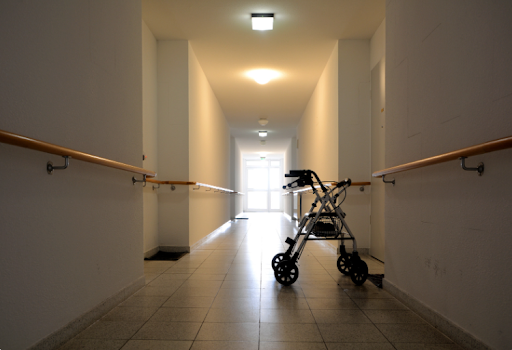
When you place a loved one in a nursing home, you expect them to receive safe, respectful, and attentive care. If something starts to feel wrong, it can be hard to know whether you are seeing normal changes in health or signs that your loved one is being neglected.
Nursing home neglect is not always obvious right away. It may show up as unexplained injuries, poor hygiene, repeated falls, weight loss, dehydration, pressure sores, medication issues, behavior changes, or delayed medical treatment. One concern may have a reasonable explanation, but repeated problems or vague answers from staff should be taken seriously.
Neglect usually involves a failure to provide needed care, while abuse involves intentional harm. Both are serious, but this page focuses on warning signs families can observe when a nursing home may not be meeting a resident’s basic care needs.
If you notice changes in your loved one’s health, appearance, mood, or living conditions, trust your instincts. Write down what you see, ask direct questions, and act quickly if your loved one’s safety may be at risk.
What Does Nursing Home Neglect Look Like?
Nursing home neglect can happen when a facility fails to provide the care a resident needs. This may involve poor supervision, missed medication, delayed medical attention, lack of help with hygiene, or failure to prevent known risks.
Some residents can explain what is happening. Others may have dementia, communication difficulties, fear of retaliation, or medical conditions that make it harder to speak up. That is why families should pay close attention to visible changes, staff explanations, and recurring concerns.
The warning signs below do not automatically prove neglect. Medical conditions, aging, medication side effects, or sudden illness can cause some of the same symptoms. What matters is whether the facility recognizes the problem, responds appropriately, explains what happened, and updates care when needed.
Unexplained Injuries
Bruises, cuts, burns, sprains, or fractures should never be brushed aside without a clear explanation. Older adults can be more vulnerable to injury, but nursing home staff should still be able to explain what happened, when it happened, and what care was provided afterward.
Unexplained injuries may raise concerns about poor supervision, unsafe conditions, rough handling, or failure to follow a care plan. This is especially true if your loved one has dementia, limited mobility, or a known fall risk.
Watch for injuries such as:
- Bruises on the arms, wrists, back, face, or legs
- Cuts or scrapes that staff cannot explain
- Burns from hot liquids, heating pads, or unsafe equipment
- Fractures or sprains after a fall
- Injuries in different stages of healing
- New injuries that were not reported to the family
- Staff explanations that change from one conversation to the next
If staff give inconsistent answers or seem unwilling to discuss the injury, write down who you spoke with, what they said, and the date of the conversation. Ask whether an incident report was created, whether a nurse examined your loved one, and whether a doctor was contacted.
Signs of Dehydration
Dehydration can become serious quickly, especially for older adults. Residents may need help reaching drinks, remembering to drink, or safely swallowing fluids. When staff fail to monitor hydration or respond to warning signs, a resident’s health can decline.
Possible signs of dehydration include:
- Dry mouth or cracked lips
- Dizziness or weakness
- Confusion that seems worse than usual
- Dark urine or fewer bathroom trips
- Sunken eyes
- Fatigue or unusual sleepiness
- A sudden drop in energy or alertness
- Complaints of thirst or drinks being left out of reach
Some medical conditions can affect hydration, but staff should be watching for changes and taking action when a resident is not getting enough fluids. If your loved one seems unusually weak, confused, or lethargic, ask whether they have been evaluated by a nurse or doctor.
If the symptoms appear severe, sudden, or urgent, ask for immediate medical attention. Do not wait for the facility to “keep an eye on it” if your loved one’s condition seems unsafe.
Sudden or Unexplained Weight Loss
Weight loss can happen for many reasons, including illness, medication changes, depression, dental problems, or difficulty swallowing. Still, sudden or unexplained weight loss in a nursing home should be addressed quickly.
Residents may lose weight when they are not receiving enough food, are unable to feed themselves, or are not being monitored during meals. Some residents need special diets, feeding assistance, or encouragement to eat. If those needs are ignored, their health may suffer.
Warning signs may include:
- Loose clothing
- Visible changes in the face, arms, or legs
- Food trays left untouched
- A loved one saying they are hungry
- Trouble chewing or swallowing
- Weakness or fatigue
- Staff who cannot explain changes in eating habits
- Meals served without needed feeding help
- A diet change that was not explained to the family
Ask how often your loved one is weighed, whether their eating is being tracked, and whether a doctor or dietitian has reviewed the weight loss. You can also ask whether staff are documenting meal intake, fluid intake, swallowing concerns, and any need for feeding assistance.
Pressure Sores or Bedsores
Pressure sores, also called bedsores or pressure ulcers, can develop when a person stays in one position too long. They often appear on the tailbone, hips, heels, ankles, elbows, or back. Residents with limited mobility may need regular repositioning, clean bedding, good nutrition, and skin checks to reduce the risk.
A pressure sore is not always proof of neglect, but it is a serious warning sign that should be reviewed. This is especially true if the sore gets worse, becomes infected, or staff did not tell the family about it.
Look for:
- Red, irritated, or darkened skin
- Open wounds
- Swelling or drainage
- Foul odor from a wound
- Complaints of pain when sitting or lying down
- Bandages that appear dirty or unchanged
- Sores on heels, hips, the lower back, or other pressure points
- Wounds that seem to worsen between visits
If you notice a possible pressure sore, ask when it was first found, what stage it is, what treatment is being provided, and how often your loved one is being repositioned. Ask to see the wound care plan and whether the facility has notified a physician or wound care provider.
Poor Hygiene and Unclean Living Conditions
Poor hygiene is one of the most visible warning signs of nursing home neglect. Residents may need help bathing, dressing, brushing their teeth, changing clothes, using the bathroom, or keeping their rooms clean. When those basic needs are not met, it can affect their health and dignity.
Warning signs include:
- Body odor
- Dirty hair, skin, teeth, or nails
- Soiled clothing or bedding
- Strong smells of urine or waste
- Unchanged briefs or incontinence products
- Dirty bathrooms or rooms
- Food, trash, or clutter left near the resident
- Lack of clean clothes or personal items
- Untrimmed nails, matted hair, or poor oral care
- Call lights, water, glasses, walkers, or personal items left out of reach
An occasional issue may happen, but repeated poor hygiene can suggest that a resident is not receiving basic daily care. If you visit often and see the same problems again and again, start keeping notes. Ask staff how often bathing, toileting, laundry, dental care, and room cleaning are scheduled, then compare those answers with what you actually observe.
Medication Issues
Many nursing home residents rely on daily medication for serious health conditions. Medication mistakes can cause major harm, especially when a resident takes multiple prescriptions or needs medication at specific times.
Signs of possible medication issues may include:
- Sudden confusion or extreme drowsiness
- Missed doses
- New symptoms after a medication change
- Pills left at the bedside
- Worsening pain or symptoms
- Unexplained changes in mood or behavior
- Staff who cannot explain what medication was given
- Frequent medication changes without family notice
- A loved one saying they did not receive medication
- A sudden decline after a new prescription or dosage change
Families should feel comfortable asking questions about medication. Ask what your loved one is taking, why it was prescribed, when it is given, and whether any side effects have been reported. If something seems off, request that the nurse or doctor review the medication record.
You can also ask whether any medications were recently stopped, delayed, substituted, or given at a different time than usual. Medication records can be important if your loved one’s condition changed without a clear explanation.
Repeated Falls
Falls are common among older adults, but repeated falls should not be treated as normal. Nursing homes are expected to assess fall risks and put reasonable precautions in place. Depending on the resident’s condition, that may include assistance with walking, bed alarms, mobility devices, supervision, proper footwear, or changes to the care plan.
Repeated falls may point to problems such as:
- Poor supervision
- Failure to answer call lights
- Unsafe walkways
- Wet floors or clutter
- Lack of mobility assistance
- Medication side effects
- Failure to update a fall prevention plan
- A resident being left alone after staff knew they needed help walking or transferring
- The same type of fall happening more than once
After any fall, ask what happened, whether your loved one was examined, whether injuries were found, and what steps the facility is taking to prevent another fall. If the same explanation keeps repeating, the care plan may not be working.
Ask when the last fall risk assessment was completed and whether the facility changed anything after the fall. A repeated problem should lead to a clear response, not the same general reassurance.
Changes in Behavior or Mood
Neglect does not always show up as a visible injury. Sometimes the first warning sign is a change in how your loved one acts.
A once talkative resident may become quiet. Someone who enjoyed visitors may withdraw. A loved one may seem anxious, fearful, embarrassed, or unusually upset when certain staff members are nearby.
Behavioral warning signs may include:
- Sudden withdrawal from family or friends
- Fearfulness around staff
- Depression or anxiety
- Anger or agitation
- Trouble sleeping
- Loss of interest in activities
- Refusing food, medication, or care
- Reluctance to speak openly
- Crying, flinching, or becoming quiet when staff enter the room
- Asking not to be left alone with certain caregivers
These changes can have medical causes, including infection, medication side effects, dementia progression, or pain. Still, they should not be ignored. Ask staff what they have observed and whether a medical evaluation is needed.
When possible, speak with your loved one privately. Use calm, simple questions. You may not get every answer right away, but changes in mood or behavior deserve the same attention as physical symptoms.
Delayed Medical Treatment
When a resident shows signs of illness, infection, injury, or sudden decline, the facility should respond appropriately. Delayed medical treatment can allow a condition to get worse and may place the resident at serious risk.
Warning signs of delayed care may include:
- Staff waiting too long to call a doctor
- Family members not being told about injuries or illness
- Wounds that get worse before treatment begins
- Repeated infections
- Falls without timely medical evaluation
- Complaints of pain that are ignored
- Sudden confusion, weakness, or breathing issues without a prompt response
- Hospital transfers after days of worsening symptoms
- A resident repeatedly asking for help but not receiving it
- Staff saying they “just noticed” a problem that appears to have been present for some time
If your loved one’s condition changes, ask when the problem was first noticed, who evaluated them, what steps were taken, and whether a physician was contacted. Clear answers matter.
For urgent symptoms, such as trouble breathing, loss of consciousness, severe pain, signs of stroke, major injury, or severe dehydration, seek emergency help right away. If there is an immediate medical emergency or safety risk, call 911.
Facility and Staff Red Flags Families Can Observe
Sometimes the warning signs are not limited to your loved one. The condition of the facility and the way staff responds can also tell you a lot.
Pay attention to patterns such as:
- Call lights going unanswered
- Residents left alone for long periods
- Staff who seem rushed, frustrated, or dismissive
- Dirty common areas
- Food trays left out of reach
- Frequent staff turnover
- Delays in returning calls
- Staff refusing to let you speak privately with your loved one
- Different staff members giving different explanations
- Residents asking for help without a response
- Staff who discourage questions or become defensive when you ask for details
- Care plan promises that are not followed during later visits
One busy day does not always mean neglect. Repeated problems, however, may show that residents are not getting the attention they need. Patterns matter, especially when they involve safety, nutrition, hygiene, medication, or medical care.
What To Do If You Notice Warning Signs of Nursing Home Neglect
If you are worried about your loved one’s care, act quickly and stay organized. You do not need to have all the answers before you start asking questions.
Document What You See
Write down dates, times, names, and details. Take photos of visible injuries, poor room conditions, soiled bedding, pressure sores, or other concerns when appropriate. Keep copies of texts, emails, care updates, bills, discharge papers, and hospital records.
Detailed notes can help you track patterns and explain what happened later. Try to document what you personally observed, what your loved one told you, what staff said, and what changed after you raised concerns.
Ask Direct Questions
Speak with the charge nurse, director of nursing, administrator, or care coordinator. Ask specific questions, such as:
- When was this injury first noticed?
- What treatment has been provided?
- Has a doctor evaluated this condition?
- Why has my loved one lost weight?
- What is being done to prevent another fall?
- When was the care plan last updated?
- Who was responsible for checking on my loved one during this time?
- Why was the family not notified earlier?
Vague answers, shifting explanations, or refusal to provide basic information should raise concern.
Request a Care Plan Meeting
A care plan meeting gives families a chance to discuss medical needs, daily care, fall prevention, nutrition, hygiene, medication, and supervision. If your loved one’s condition has changed, the care plan may need to change too.
Ask for written updates when possible. If staff promise to make changes, follow up to see whether those changes actually happen. Bring your notes to the meeting. Ask for specific changes, such as more frequent checks, help during meals, fall precautions, wound care updates, hydration monitoring, or medication review.
Seek Medical Care When Needed
If your loved one has a serious injury, possible dehydration, infection, pressure sore, sudden confusion, severe pain, or rapid decline, do not wait. Ask that they be evaluated by a doctor, or seek outside medical care if you believe the situation is urgent.
Medical records can also help show what condition your loved one was in and what treatment was needed. If the nursing home does not respond to a serious concern, you may need to contact your loved one’s doctor directly or seek emergency care.
Report Serious Concerns
If you believe your loved one is in danger or has been seriously neglected, report your concerns to the proper authorities. Depending on the situation, that may include nursing home management, state regulators, Adult Protective Services, or law enforcement.
When making a report, be specific. Include dates, names, injuries, symptoms, photos, medical visits, and the answers staff gave you. Clear details can help others understand the urgency of the situation.
If there is an immediate medical emergency or safety risk, call 911.
Consider Legal Guidance When Harm Has Occurred
This page is focused on warning signs and next steps, but legal guidance may be important if neglect caused injury, worsening health, hospitalization, or death. A lawyer can help your family understand whether the facts may support a claim and what evidence should be preserved.
You do not have to know whether you have a case before asking for help. If the facility is not giving clear answers, or your loved one has suffered serious harm, it may be time to talk with someone who can review the situation.
Protect Your Loved One When Something Feels Wrong
Warning signs of nursing home neglect can be easy to second-guess. You may wonder if you are overreacting, especially when staff gives quick explanations or your loved one has existing health problems. Still, unexplained injuries, dehydration, weight loss, pressure sores, poor hygiene, medication concerns, repeated falls, behavior changes, and delayed treatment deserve careful attention.
Trust your instincts. Ask questions, document what you see, and take action when your loved one’s safety or dignity is at risk. You do not need to prove everything before protecting your loved one. You only need enough concern to ask for answers and push for appropriate care.
Seay/Felton LLC Trial Lawyers helps families across Georgia understand their options when a loved one may have been harmed by nursing home neglect. If you are worried about what happened, our team can review your situation and explain possible next steps. Call 404-738-7966 or contact us online at https://www.sftriallawyers.com/contact-us/.
Frequently Asked Questions
Common warning signs include unexplained injuries, dehydration, sudden weight loss, pressure sores, poor hygiene, medication problems, repeated falls, behavior changes, and delayed medical care. Families should pay close attention when these problems happen more than once or the facility cannot explain them clearly.
Not always. Some residents have medical conditions or mobility limits that increase the risk of pressure sores. Still, nursing homes should monitor at-risk residents, help them change positions, and respond quickly when skin problems appear.
Ask for a clear explanation and request records related to the injury. You can ask when the injury happened, who documented it, whether a doctor examined it, and what steps were taken afterward. If the answer is vague or keeps changing, continue documenting your concerns.
Yes. Sudden fear, withdrawal, depression, agitation, or anxiety may point to neglect, pain, medication problems, illness, or mistreatment. These changes deserve attention, especially when they happen along with physical symptoms or a decline in care.
Seek emergency help if your loved one has signs of severe dehydration, trouble breathing, major injury, extreme confusion, loss of consciousness, serious infection, uncontrolled pain, or any condition that seems urgent. In an emergency, call 911 or request immediate medical care.