
What to Expect Physically After a Car Accident?
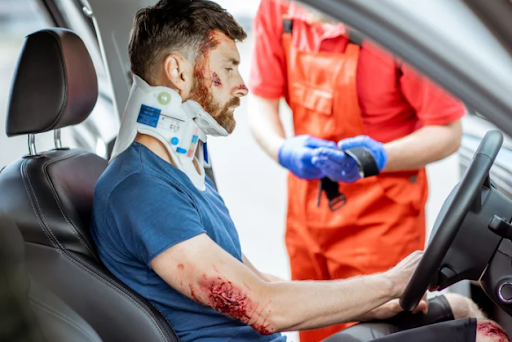
Being involved in a car crash can be a life‑shifting event, not only in terms of your vehicle or finances but in the way your body reacts. Even what seems like a minor collision can trigger a cascade of physical issues. Understanding the journey of car accident recovery can help you recognize symptoms, know what to expect physically after a car accident, and make wise choices about when to see a doctor after a car accident. In this blog, we’ll walk through the common physical responses, delayed symptoms, how long pain can last after a car accident, signs of serious injury, and best practices to support your recovery.
The Immediate Physical Impact
In the seconds following a collision, your body absorbs a tremendous amount of force. Whether you’re wearing a seatbelt or not, the sudden deceleration or acceleration in some impacts can jerk your spine, strain muscles, rip ligaments, jolt your head, and more.
Some common immediate responses include:
- Adrenaline and shock: Your body releases adrenaline, which may numb pain, making you feel “fine” right after the crash.
- Visible injuries: Cuts, bruises, and abrasions from airbags or seatbelt restraints.
- Muscle soreness: From the body’s sudden movement and impact with the interior parts of the car.
- Whiplash motion: Even at low speeds, your neck may snap back and forth, stressing muscles and ligaments.
At this stage, you might feel okay, but the lack of pain is not a guarantee of the absence of injury.
Common Physical Symptoms or Signs of Serious Injury after a Crash

After a car accident, your body may respond in a variety of ways. Some symptoms are immediate and obvious, while others can take hours or even days to appear. Knowing what to look for can help you catch potentially serious injuries early and avoid long-term consequences.
Common Post-Accident Physical Symptoms
- Neck and shoulder pain: Often a sign of whiplash or soft tissue strain, especially in rear-end collisions.
- Back pain or stiffness: May indicate a herniated disc, muscle sprain, or spinal misalignment.
- Headaches: Can result from concussion, tension, or more severe traumatic brain injury (TBI).
- Bruising and swelling: These are expected after an impact but should be monitored for signs of internal injury.
- Fatigue and dizziness: Could be related to blood pressure changes, head injury, or emotional trauma.
- Numbness or tingling: Especially in the arms or legs, this can suggest nerve damage or spinal issues.
Serious Symptoms That Require Immediate Attention
- Severe headache, confusion, or memory loss: Could signal a concussion or brain injury, even without hitting your head.
- Abdominal pain or deep bruising: May point to internal bleeding or organ damage.
- Shortness of breath or chest tightness: Might be caused by broken ribs, lung damage, or even cardiac stress.
- Blurred vision, fainting, or coordination issues: Suggest neurological problems that should not be ignored.
- Visible deformities or restricted limb movement: Could be fractures or dislocations needing urgent care.
If you experience any of these red-flag symptoms, seek medical attention immediately. Don’t assume minor pain is harmless. Delayed injuries are common and can become life-altering if untreated.
Psychological & Secondary Physical Effects
Although the blog focuses on physical symptoms, it’s important to note the link between crash recovery and emotional trauma. Anxiety, post-traumatic stress disorder (PTSD), and depression can exacerbate physical pain and slow recovery.
How Long Does Pain Last After a Car Accident?
One pressing question is how long does pain last after a car accident? Unfortunately, there’s no one‑size answer. It depends on the injury type, severity, treatment, and individual health.
- For many soft‑tissue injuries like mild whiplash or strains, symptoms may fade within a few weeks with timely care and physical therapy.
- More substantial injuries like fractures or disc herniation may require months of recovery, rehabilitation or even surgery.
- Some injuries become chronic. For example, unresolved nerve damage or certain spine injuries may result in long‑term pain or disability.
- Delay in diagnosis or treatment, or insufficient rehabilitation, often leads to prolonged pain or complications.
In short, early diagnosis, consistent care, and monitoring are vital to shorten recovery time and restore function.
When to See a Doctor After a Car Accident

One of the most common mistakes people make after a car accident is assuming they’re fine just because they don’t feel immediate pain. In reality, adrenaline and shock can mask many symptoms, and some serious injuries don’t show up right away. Knowing when to see a doctor is critical not just for your health, but also for any future insurance or legal claims.You should go to your doctor when:
- Immediately after the accident: If you have visible injuries, loss of consciousness, severe pain, or dizziness, call 911 or visit the ER right away. Head trauma and internal injuries can escalate quickly without treatment.
- Within 24 to 48 hours: Even if symptoms seem mild, stiffness, headaches, or muscle tightness can emerge hours later. Getting checked by a medical professional within this window allows early diagnosis and helps link your injuries directly to the accident.
- Any time delayed symptoms appear: Pain, swelling, numbness, or problems with thinking or memory that appear days later still warrant medical attention. Delayed symptoms could indicate whiplash, soft tissue injuries, or even internal bleeding.
- If you plan to file a claim: Medical records serve as key evidence in a car accident case. Seeing a doctor promptly documents your condition, which is critical when pursuing compensation.
Whether or not you feel pain right away, play it safe. A doctor can spot injuries before they worsen, potentially saving you from long-term damage.
The Journey of Car Accident Recovery
Car accident recovery is more than healing, it’s a process. Knowing what to expect physically after a car accident means anticipating the stages:
Initial Phase (0‑2 weeks):
- Stabilize visible injuries, reduce pain, and get diagnostic imaging.
- Begin gentle mobility work under medical guidance.
- Address immediate symptoms such as bruises, soreness, and swelling.
Rehabilitation Phase (2‑12 weeks):
- Physical therapy to rebuild strength, flexibility, and correct movement patterns.
- Address underlying issues like nerve compression, disc injury, or muscle imbalance.
- Monitor and treat delayed symptoms such as whiplash or lingering headaches.
Long‑Term Recovery or Chronic Phase (>12 weeks):
- If symptoms persist beyond expected timelines, explore advanced treatments such as pain management, spine surgery, and nerve repair.
- Lifestyle adjustments may be needed for mobility, work, or recreation.
- Psychological support may be beneficial as chronic pain often correlates with depression or anxiety.
Throughout, record-keeping is important. Document treatments, physical changes, limitations, therapy sessions, and how your injuries affect daily life.
Choosing Legal Support That Cares
Why Legal Help Matters
A personal injury attorney doesn’t just file paperwork, they become your advocate in a system designed to minimize payouts. Insurance companies often try to reduce or deny valid claims, especially if there’s any delay in treatment or confusion around fault. An attorney understands the tactics insurers use and builds a case that protects your rights from the start.
Here’s how a lawyer can help:
- Investigate the crash thoroughly using police reports, medical records, and witness statements.
- Gather and organize medical documentation to link injuries directly to the accident.
- Negotiate with insurers to secure the full value of your claim.
- Pursue litigation if necessary when insurance companies refuse to settle fairly.
Types of Compensation You May Be Entitled To
Depending on the nature and severity of your injuries, you may be able to recover:
- Medical expenses such as hospital bills, follow-up visits, physical therapy, and prescriptions
- Future medical care for ongoing treatment or rehabilitation
- Lost wages due to missed work or long-term disability
- Pain and suffering for physical discomfort, anxiety, and emotional trauma
- Property damage to repair or replace your vehicle
- Loss of enjoyment of life if your injuries impact your daily activities or relationships
Why Medical Treatment Matters for Your Legal Case
Seeing a doctor immediately after a car accident isn’t just important for your health, it’s essential for your legal claim. Delayed treatment can give insurance companies a reason to argue that your injuries weren’t serious or were unrelated to the crash. Medical records act as key evidence, documenting your condition and supporting your right to compensation.
Contact A Car Accident Lawyer Today to Protect Your Rights
Recovering from a car accident involves more than just healing from physical injuries, it’s about protecting your rights, securing proper compensation, and setting yourself up for a full recovery, both medically and financially.
Take the first step toward peace of mind. At Seay/Felton LLC Trial Lawyers, we don’t just handle paperwork; we help guide you through one of the most difficult times in your life with clarity, professionalism, and compassion. Contact us today.